
Investment Framing: Why Professional Framing Is the Secret to Making Inexpensive Art Look High-End
Art has the power to transform a room, but even the most charming prints can feel cheap or unfinished if not presented thoughtfully. Professional framing is a simple yet highly effective way to elevate inexpensive or mass-produced artwork, making it feel curated, valuable and integrated into your home’s style.
A well-framed piece does more than protect the work; it adds visual weight, complements the surrounding space and signals that the artwork is important. This guide explores how to choose frames, materials and techniques that make every piece look high-end regardless of its original cost.
Understanding the Role of a Frame
Frames are not merely decorative. They define the boundary between the artwork and the room, focus attention and enhance colours and textures. A professional frame brings consistency and structure, ensuring the art looks intentional rather than ad hoc.
Different styles of frames evoke different moods. A clean, minimalist frame suits modern interiors, while ornate mouldings can lend traditional or classical charm. The right frame communicates the value of the artwork and enhances its aesthetic impact.
Choosing the Right Frame for Your Artwork
Start by considering the artwork itself. Colours, textures and style influence frame choice. Neutral frames are versatile and suit a wide range of pieces, while coloured or metallic frames can highlight particular tones within the artwork.
Consider the scale of the frame relative to the piece. Oversized frames can make small prints feel important, while narrow frames keep focus on the art for larger pieces. Matting, or the border between the art and the frame, adds depth and breathing space, helping inexpensive pieces feel more substantial.
Material Matters
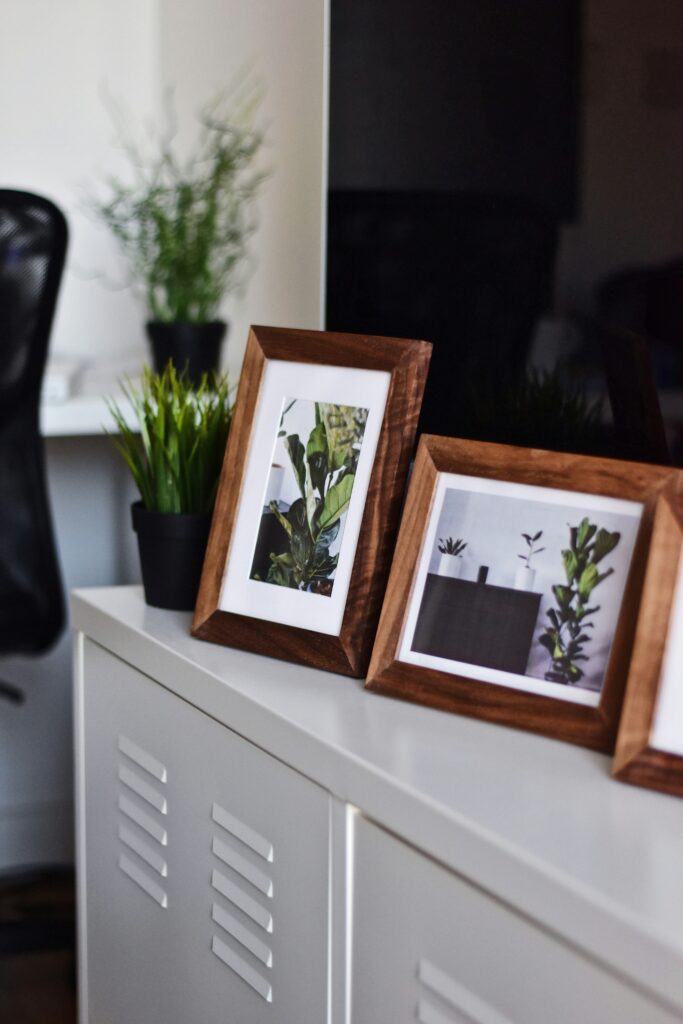
The material of a frame contributes to its perceived value. Solid wood frames in oak, walnut or ash convey craftsmanship and warmth. Metal frames offer sleek modernity and are ideal for contemporary art. High-quality acrylic or glass is essential for glazing to protect the artwork while maintaining clarity.
Avoid inexpensive, flimsy materials that warp or dent easily. Investing in durable, well-finished frames ensures your artwork maintains its elevated appearance over time.
The Impact of Professional Matting
Matting is a subtle but powerful tool for enhancing artwork. A well-chosen mat adds space around the piece, drawing the eye inward and creating a sense of depth. Light-coloured mats tend to make artwork feel open and airy, while darker mats emphasise drama and contrast.
Professional framers can advise on mat width and layering techniques that suit the specific dimensions and style of the piece. Multi-layered mats, with contrasting shades, are a way to add sophistication without altering the artwork itself.
Colour Harmony and Room Integration
A framed piece should harmonise with its environment. Consider the surrounding wall colour, furniture and décor when selecting frame tones and finishes. Coordinating frames across multiple pieces creates cohesion, particularly in gallery walls or grouped displays.
For example, a series of inexpensive prints framed consistently in natural wood or black metal can look like a curated collection, adding elegance and intentionality to the room.
Lighting to Enhance Framed Art
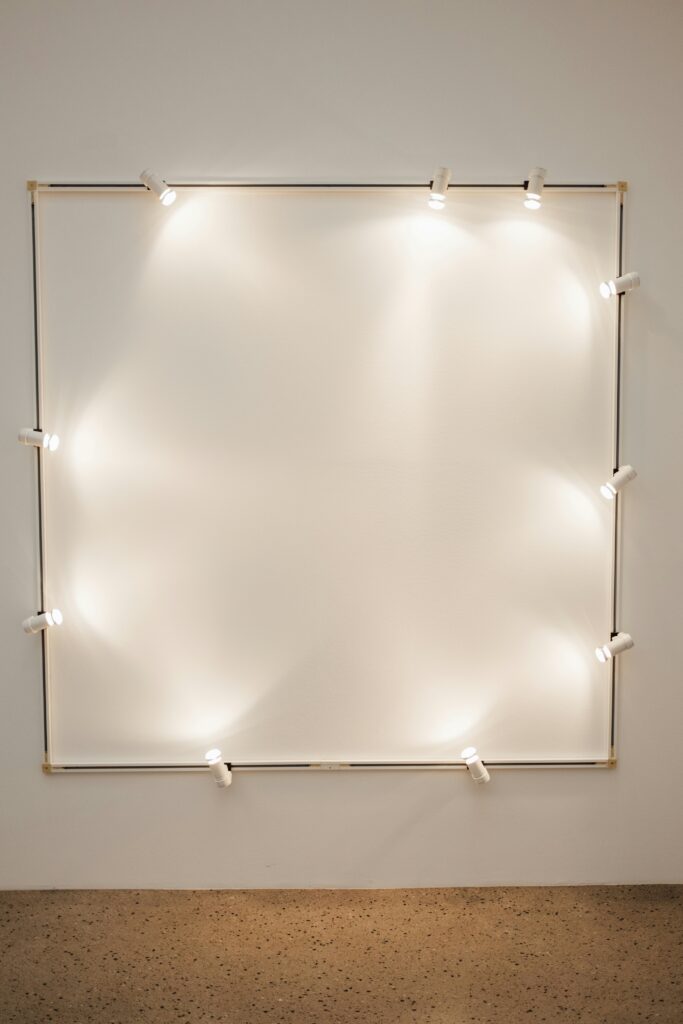
Professional framing works best when paired with appropriate lighting. Picture lights, wall sconces or adjustable spotlights bring artwork to life, highlighting colours and textures. Proper lighting prevents shadows, reflections and glare, ensuring the artwork always looks polished.
In spaces with natural light, consider UV-protective glazing to prevent fading. Light placement should complement the frame and artwork without creating hotspots or drawing attention away from the piece itself.
Professional Framing Techniques
Professional framers use techniques that make a significant difference in presentation. Acid-free mats and backing preserve artwork for longer, preventing yellowing or damage. Precision joinery and secure mounting ensure the frame sits straight and stable on the wall.
Custom framing allows for exact sizing, spacing and proportion, transforming an ordinary print into a statement piece. Even inexpensive mass-produced artwork benefits from these details, giving it a bespoke appearance.
Creating a Cohesive Display
When framing multiple pieces, consider arranging them with consistent spacing, frame style or matting. A gallery wall of prints with uniform frames can feel like a high-end installation, elevating the impact of each individual piece.
Frames of differing widths and textures can also work if there is a unifying element such as colour or finish. The key is balance and intention, ensuring that each frame complements the artwork and the overall display.
Maintenance and Longevity
Investing in professional framing protects the artwork and maintains its appearance. Clean frames regularly with a soft cloth and avoid abrasive cleaners. Check hanging hardware to ensure frames remain secure over time. High-quality frames and glazing extend the life of artwork while keeping it looking premium.
Regular reassessment of the display, such as adjusting lighting or rotating seasonal pieces, ensures that the framed collection continues to feel fresh and relevant.
Final Thoughts
Professional framing is the secret to making inexpensive art look high-end. By carefully choosing frame style, material, matting and lighting, even mass-produced or budget prints can be transformed into striking, curated artworks.
A well-framed piece adds elegance, visual interest and cohesion to any room. It signals intention and care, creating a home that feels thoughtfully designed and beautifully presented.