
The Modern Cornice and Period Mouldings in Contemporary Interiors
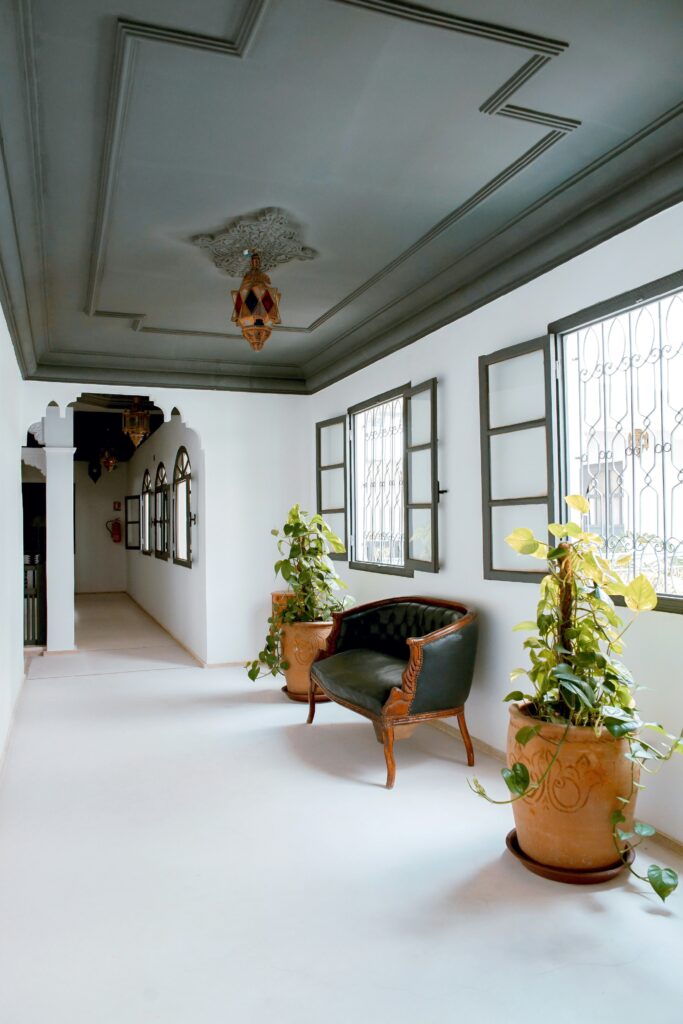
Period features bring character, depth and history to a space. Among these, cornices stand out for their ability to elegantly frame a room where the walls meet the ceiling. Traditionally elaborate and full of classical detail, cornices are now being reinvented to suit contemporary tastes. This post explains how to choose the right cornice and how to highlight period mouldings in modern interiors in a way that feels fresh and intentional.
What Is a Cornice and Why Does It Matter
A cornice is a decorative moulding installed where the wall meets the ceiling. In classical architecture, it signified status and attention to detail. Georgian and Victorian cornices were often richly patterned with egg and dart motifs, dentils and deep shadow lines. These historic elements were both ornamental and symbolic of the craftsmanship of their time.
In modern interiors, cornices have evolved. Rather than ornate decoration, contemporary cornices often feature clean lines, simple profiles and subtle shadow detailing. The purpose remains the same to provide a visual transition between wall and ceiling while adding architectural interest. What has changed is the way they interact with light, colour and space to support a more pared-back aesthetic.
Why Modern Cornices Still Matter Today
Even in minimalist spaces, cornices can perform a valuable role without conflicting with the overall design. There are three key reasons they still matter:
They frame the room and enhance proportions. By drawing the eye upwards, they can make a ceiling feel higher and a space more cohesive.
They conceal imperfections. In older properties, especially, walls and ceilings rarely meet in perfect alignment. Cornices mask small irregularities.
They offer an opportunity for lighting. Modern cornices can integrate indirect lighting to create ambient effects without visible fixtures.
The key to success is choosing a profile that supports your room’s character, whether that is period elegance or contemporary calm.
Understanding Different Cornice Styles
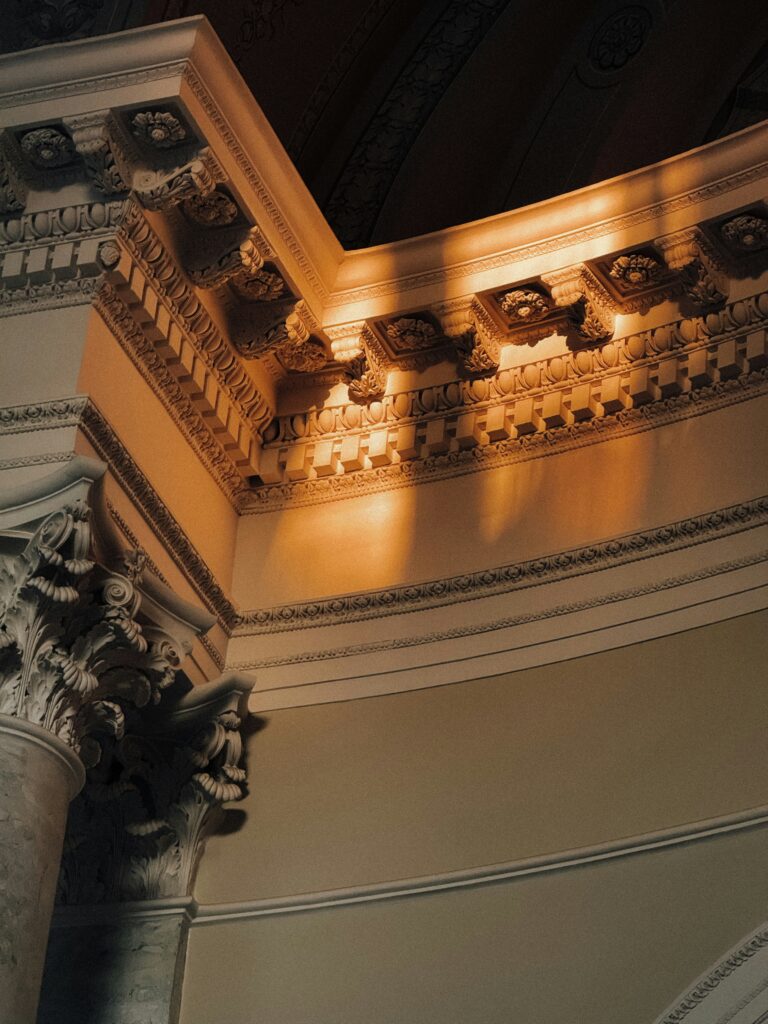
Before choosing a cornice it helps to understand the range of styles and how they interact with interior design.
Traditional ornate cornices are characteristic of Georgian, Victorian and Edwardian homes. These often have deep profiles with classical motifs that reference columns and friezes. They evoke history and grandeur and are ideal where the architecture calls for rich detail.
Transitional cornices soften ornate features to work with more contemporary spaces. They may retain a subtle curve or moulding but in a more restrained way. These work well in heritage homes that are being sympathetically updated.
Modern minimal cornices feature straight lines or gentle shadow grooves. They create a crisp junction without decorative flourishes. These are suited to modern builds, urban apartments and spaces where simplicity supports the overall design.
The best choice depends on the architectural context and your design goals.
How to Choose the Right Cornice
Choosing a cornice involves balancing aesthetics with practical needs. Consider these key factors:
1. Scale and Proportion
Proportion is vital. A large ornate cornice can overwhelm a small room. Conversely, a very shallow profile may look lost in a grand hall. As a rule of thumb, match the cornice size to the ceiling height. Higher ceilings can take deeper profiles; lower ceilings benefit from simpler, slimmer designs.
2. Material Matters
Cornices are available in plaster, polyurethane and timber. Plaster is traditional and offers fine detail, ideal for period properties. Polyurethane is lightweight, easier to install and suitable for DIY projects. Timber adds warmth and can be stained or painted to match trims. Think about the room’s usage and your installation ability when choosing material.
3. Existing Architecture
Respect the existing architectural language. In a Georgian townhouse with high ceilings and sash windows, a profile that echoes classical proportions feels authentic. In a contemporary loft with exposed beams, a clean shadow line may feel more fitting.
4. Lighting Integration
Modern cornices can be designed to conceal LED strips or rope lighting. This turns the ceiling perimeter into a source of indirect light that is soft and ambient. If you intend to use cornices for lighting, ensure you plan the wiring and position early in the design process.
Styling Cornices in a Contemporary Way
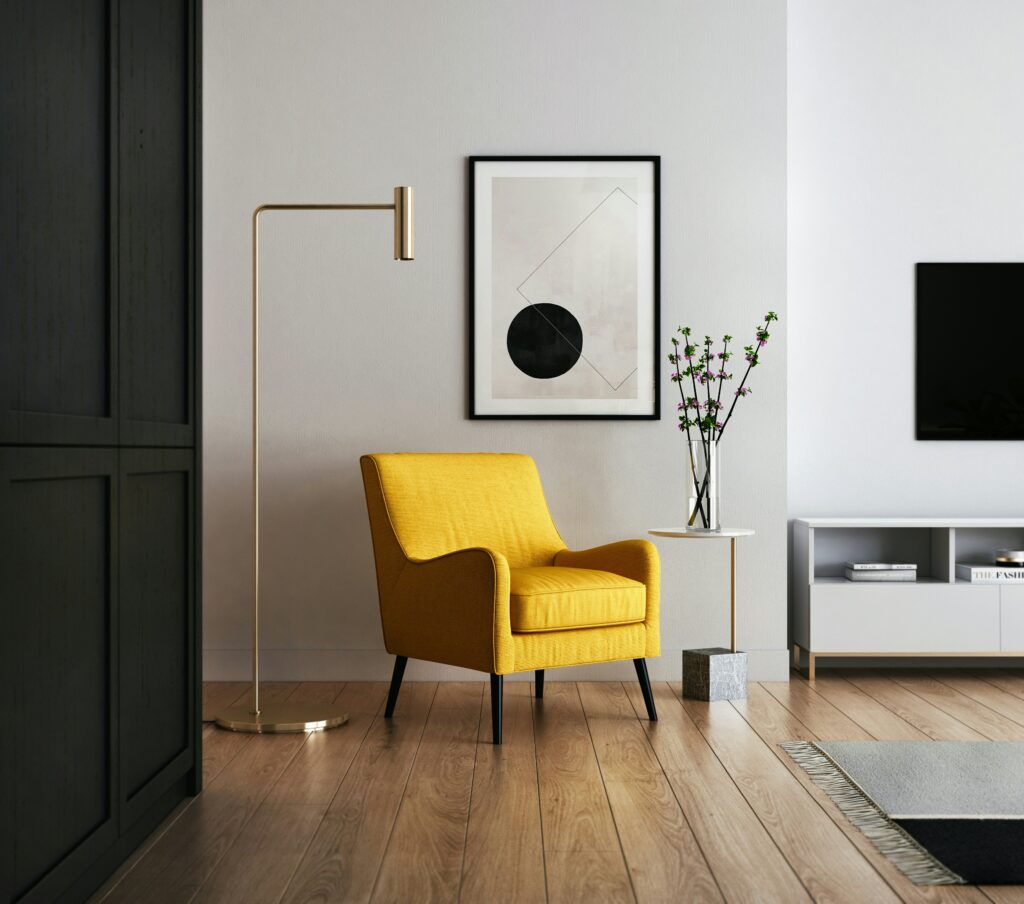
Once you have chosen the right profile, the way you highlight it can shift the whole look of a room. Here are key strategies for styling cornices in both period and modern contexts.
Bold Contrast
In a contemporary space with white walls and ceilings, painting the cornice in a contrasting colour such as deep grey or muted terracotta can make it a feature rather than a background element. This works especially well in living rooms where the cornice frames statement lighting or artwork.
Monochrome Subtlety
For minimal interiors maintain a monochrome palette. Painting cornices the same colour as the ceiling or walls can create a seamless transition that still reads as architectural detail. This approach is ideal for open plan living where visual calm is important.
Highlight with Hidden Lighting
Installing soft LED lighting behind a cornice creates a glow that emphasises the line without exposing the lights themselves. This highlight enhances modern mouldings which often rely on shadow and light rather than decoration.
Pair with Other Period Features
If your property has original fireplaces, ceiling roses or architraves, use cornices to tie these elements together. Matching the style or colour can create harmony across the room. For example, a simplified cornice that echoes the curvature of a restored ceiling rose feels intentional and cohesive.
Brief Examples of Cornice Application
Here are a few brief examples from real world interiors to help you picture how modern and period cornices can work:
In a renovated Victorian living room with high ceilings, a simplified plaster cornice with soft curves was chosen instead of a highly ornate original profile. The new design preserved architectural rhythm while simplifying the look to suit contemporary furniture.
In a new build flat in the city centre, a slim polyurethane cornice with a shadow groove was installed throughout the main reception spaces. The cornice concealed indirect LED lighting which created a warm glow at night and accentuated the clean lines of the interior.
In a heritage kitchen extension, original cornices in the adjoining dining room were restored and matched with new transitional cornices in the extension. Painting all cornices in the same warm white created unity between old and new spaces.
These examples show that the right cornice can feel at home in varied contexts when chosen and styled with purpose.
Common Mistakes to Avoid
Even with the best intentions, mistakes happen. Here are pitfalls to avoid when working with cornices:
Choosing overly large profiles for low ceilings which can make the room feel crowded.
Using highly ornate cornices in contemporary spaces without other period references to anchor the look.
Ignoring lighting plans. Cornices that are retrofitted after lighting is installed can look awkward or limit options.
Painting strong contrasting colours without considering how light and shadow fall across the profile.
Avoiding these mistakes helps ensure your cornices feel like a natural part of your interior design.
Final Thoughts
Cornices are more than decorative trims. They are architectural tools that frame spaces, manage light, conceal imperfections and connect interior elements. Whether you are restoring a period feature or introducing a modern cornice in a contemporary room, the key is to choose profiles that respect scale, material and the wider design vision.
Used thoughtfully, cornices add depth and character to interiors and can transform the plain junction between wall and ceiling into something purposeful and beautiful.