
How Upgrading Door Handles and Switches Transforms Your Interiors
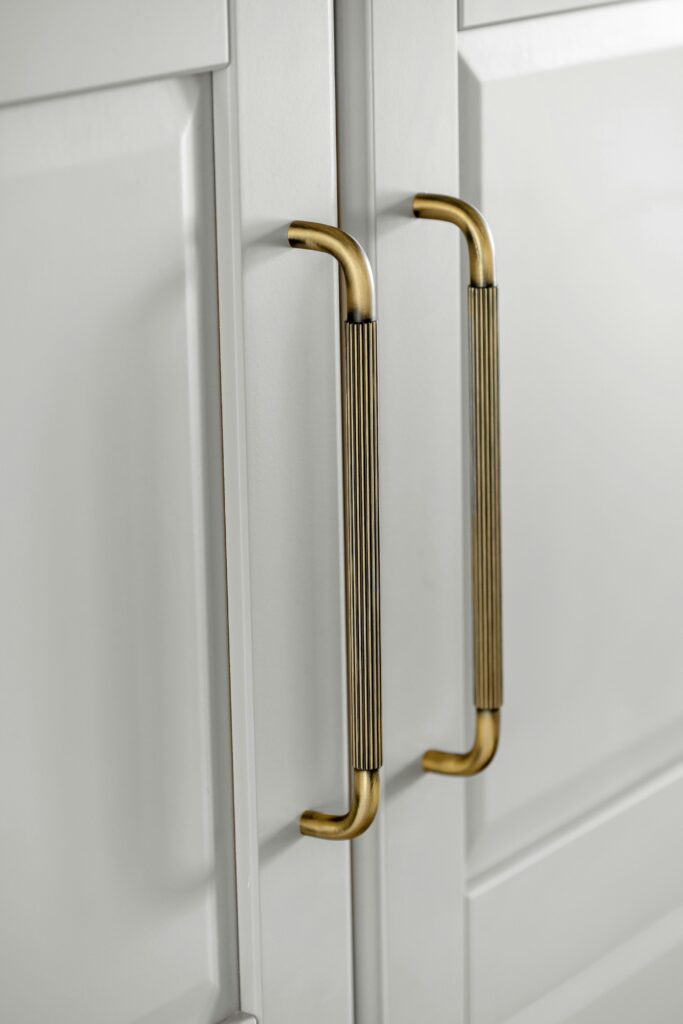
In interior design, it is often the bold decisions that get the most attention. Paint colours, statement lighting and furniture layouts usually take centre stage. Yet there is a quieter and more powerful way to transform how a room feels. Hardware.
Door handles, cabinet pulls, light switches and sockets are touched every single day. They are part of the physical experience of your home. When upgraded thoughtfully, they can elevate a space in a way that feels refined, intentional and cohesive.
This is why hardware truly matters.
The Hidden Influence of Hardware in Interior Design
Hardware is more than a functional necessity. It acts as a finishing detail that pulls a room together. When chosen carefully, it reinforces style, enhances quality and creates continuity across spaces.
Designers often describe hardware as the jewellery of the home. Just as accessories complete an outfit, handles and switches complete a room. They bring personality, tactility and polish. When they are outdated, mismatched or low quality, even a beautifully decorated space can feel unfinished.
Small details communicate big messages. A substantial, well-crafted handle suggests care and permanence. A thin or poorly fitted one suggests compromise.
Why Door Handles Have Such a Big Impact
Door handles are one of the most frequently used features in any property. They sit at eye level and hand level, meaning they influence both visual and physical experience.
Visual cohesion
The silhouette and finish of a handle influence the overall tone of a space. A sleek, minimal lever suits contemporary interiors. A detailed knob or backplate works beautifully in period properties.
When finishes are coordinated with other elements such as taps, cabinet hardware and lighting fixtures, the result feels deliberate rather than accidental. Satin brass can introduce warmth. Matte black feels bold and modern. Brushed nickel offers subtle elegance.
The key is consistency across visible areas so rooms flow naturally into one another.
Tactile quality and everyday use
Hardware is handled constantly. The weight, texture and movement of a door handle shape how a space feels in use. A solid handle that turns smoothly adds a sense of quiet luxury. A loose or sticking handle undermines the experience of the room.
This tactile element is often overlooked but it makes a real difference. Quality hardware improves the way a home functions day to day and reinforces the impression of craftsmanship.
Perceived value
Interior professionals frequently recommend upgrading hardware as one of the simplest ways to make a home feel more expensive. Swapping standard handles for refined, well-designed alternatives can elevate cabinetry, wardrobes and doors instantly.
This is particularly effective in kitchens and bedrooms where built-in furniture benefits from considered detailing. A simple change in hardware can refresh the entire look without replacing larger elements.
The Power of Upgrading Switches and Sockets
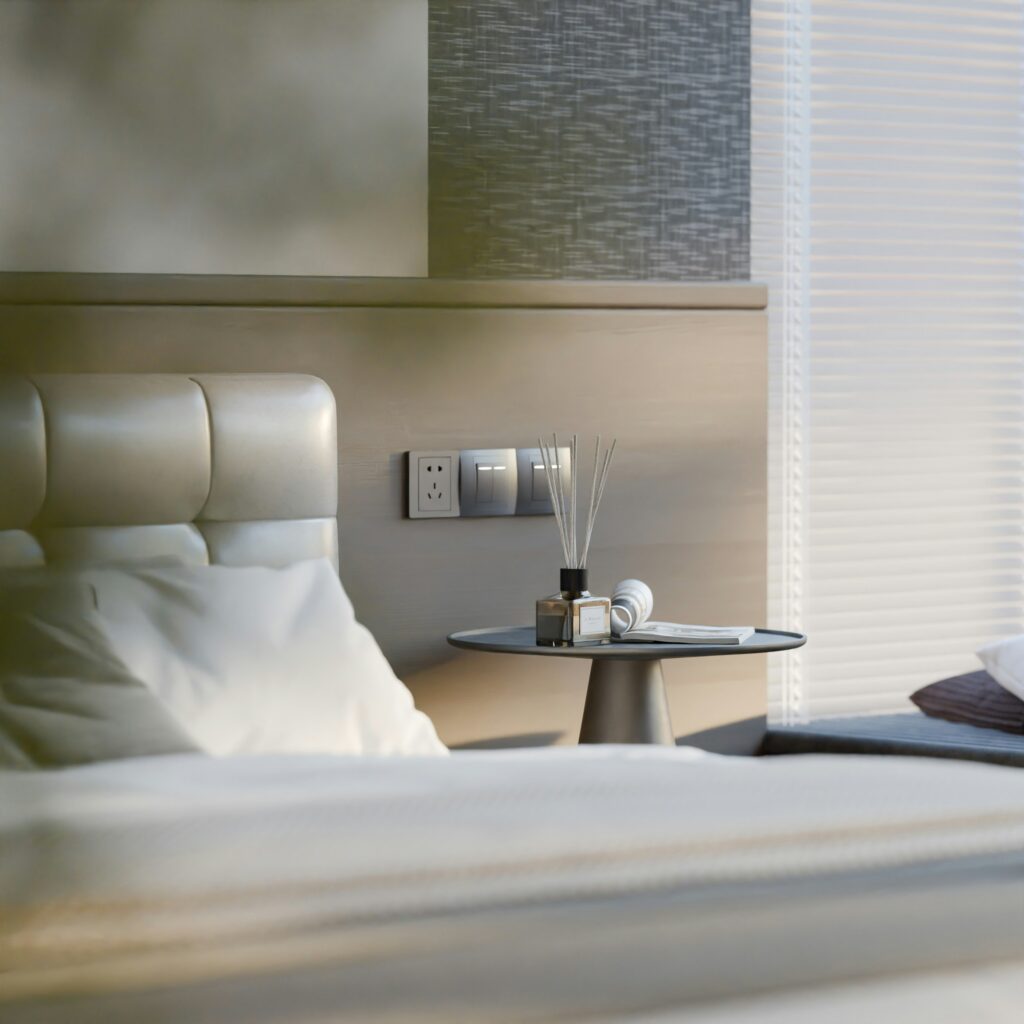
Light switches and sockets are easy to ignore because they are so common. Yet they are constant visual touchpoints across walls. Standard plastic plates can disrupt an otherwise refined interior.
Upgrading to metal, colour-matched or architectural style plates creates cohesion. Matching switch finishes with door hardware introduces continuity across the room.
For example, brushed brass switches paired with brass handles create harmony. Black switches combined with black door furniture add contrast and definition. When every detail speaks the same design language, the room feels curated.
How to Choose the Right Hardware
While aesthetics matter, practicality must lead the decision.
Consider proportion. Large doors need handles that feel substantial enough to balance them visually. Slim doors benefit from simpler, lighter forms.
Test ergonomics where possible. A handle should feel comfortable and smooth in use. Poor grip or stiff mechanisms quickly become frustrating.
Think about the function. Bathroom and bedroom doors may require privacy fittings. Cupboards and wardrobes may not. Make sure the hardware supports the way the space is used.
Measure carefully before purchasing. Check door thickness and fixing points to avoid unnecessary adjustments.
Most importantly, plan the finish palette for the whole property rather than selecting pieces in isolation. Cohesion makes the biggest difference.
Current Directions in Hardware Design
Contemporary interior trends show a clear move towards thoughtful detailing. Sculptural handles are becoming statement features in their own right. Textured finishes introduce subtle depth. Mixed materials such as wood and metal add warmth.
At the same time, minimal hardware remains popular in modern homes. Slim levers and understated plates allow doors to blend seamlessly into walls for a calm and cohesive effect.
Sustainability is also influencing choices. Durable materials and long-lasting finishes reduce the need for replacement and support a more conscious approach to renovation.
Common Mistakes to Avoid
Choosing hardware purely on price can lead to disappointment. Lower-quality materials wear quickly and feel less satisfying in daily use.
Mixing too many finishes can create visual confusion. Intentional variation works best when anchored by a clear palette.
Ignoring the tactile experience is another common oversight. Hardware should feel as good as it looks.
Why Small Details Deliver Big Transformation
Upgrading door handles and switches does not require a structural change. It does not involve extensive renovation. Yet the impact can be significant.
When hardware aligns with the architecture and interior style of a property, rooms feel complete. The experience of moving through the home becomes smoother and more refined. These details may be small individually, but collectively they shape the overall impression of quality.
In a period property, traditional hardware can reinforce heritage character. In a contemporary space, sleek detailing can sharpen clean lines. In either case, the upgrade is often immediate and visible.
Hardware is touched daily. It is seen repeatedly. It connects rooms together. When chosen with care, it quietly elevates everything around it.