Textile Tension How to Mix Rough Linens with Smooth Velvets for a Designer Look
Textiles are among the most expressive elements in interior design. They influence how a room feels underfoot and how it is perceived emotionally. Linen, with its nubby, organic surface, offers relaxed comfort and casual elegance. Velvet, with its dense pile and soft sheen, brings a sense of luxury and depth. Mixing these two seemingly opposite materials can feel daunting, but when done thoughtfully, this textile tension creates interiors that are both rich and refined.
The contrast between linen and velvet is a vocabulary of texture. Linen is rougher to the touch and visually earthy, while velvet feels sumptuous and smooth. Together they create a conversation across surfaces that makes a space feel dynamic yet cosy. This guide explains how to combine these fabrics for a designer finish that feels intentional and inviting.
Understanding the Textural Contrast
Every fabric has a tactile character. Linen is naturally textured, breathable and softly irregular in weave. It evokes a relaxed and grounded aesthetic. Velvet, by contrast, is dense, soft and reflective in light. It feels sumptuous and enveloping. When these two fabrics are combined, they deliver a layered tactile experience that is more interesting than using either alone.
Designers emphasise that pairing rough and smooth textures brings depth to interiors. The surface differences stop a room from feeling flat and invite touch and engagement. Rather than choosing only fabrics that are visually similar, embrace contrast to create dynamic interplay in your spaces.
Start with a Harmonious Base
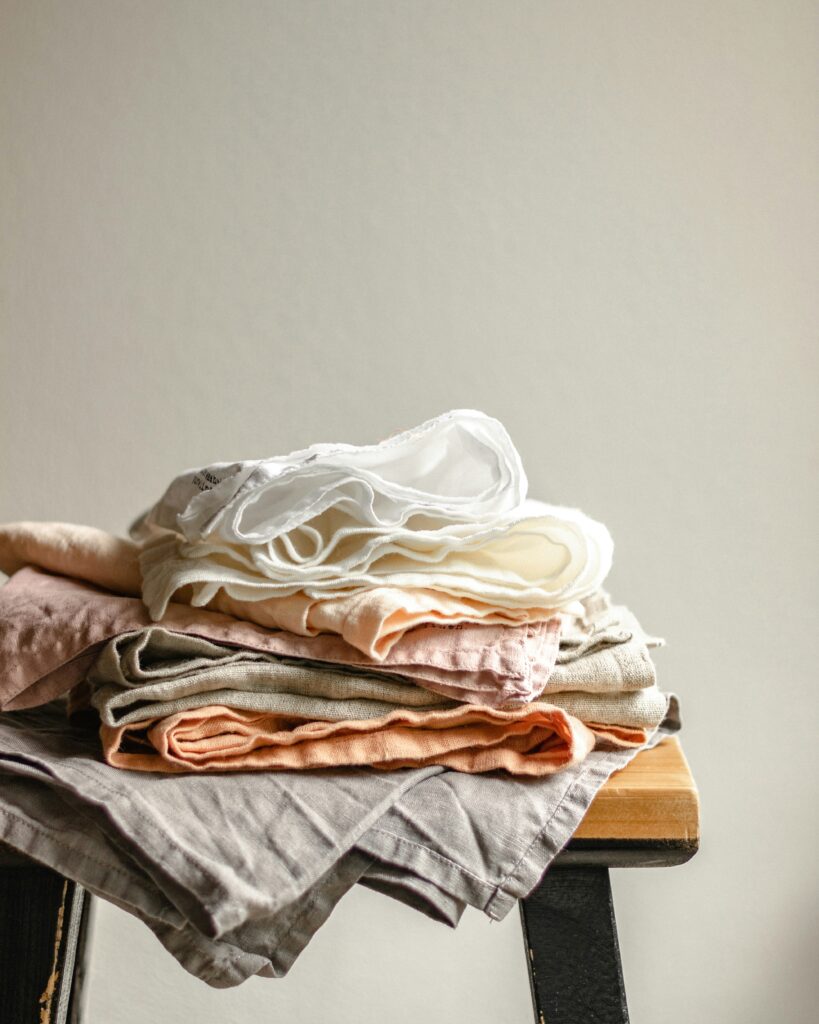
Successful textile layering begins with a cohesive colour palette. Limiting colours helps disparate textures feel unified rather than chaotic. Neutral and earthy palettes are a safe but sophisticated starting point when mixing linen and velvet. For example, soft beiges, warm greys or muted greens allow both fabrics to shine without competing visually.
A neutral base is often best established through larger fixed textiles such as upholstery or curtains. A linen sofa in a warm oatmeal or stone tone sets a calm foundation that reflects light and feels breathable. On this base you can introduce richer velvet cushions or throws in similar tones for contrast that feels joined up rather than disjointed.
Balancing Rough and Smooth Textures
Once you have your base, thoughtful placement is key. A velvet cushion on a linen-upholstered sofa creates a striking contrast because the eye and the touch recognise the difference immediately. Keep this tactile dialogue visually balanced by varying the texture scale across the room.
In a living room try pairing a linen sofa with velvet throw pillows and a linen throw. The linen sofa feels relaxed and casual. The velvet pillows feel rich and intimate. The linen throw brings back the lighter tactile element and ties the look together. When textiles are carefully layered, they build a sense of comfort and depth without confusion.
In a bedroom you might use velvet cushions and a linen bedcover or vice versa. Silk or satin can also enter the mix if you want a third texture for accent pieces, but make sure the tonal palette remains connected. Keeping a consistent palette helps the varied fabrics communicate visually even if their feel differs.
Introduce Weight and Scale
Texture is not just about surface feel but also scale and weight. Velvet often feels heavier than linen because of its dense pile. This makes it ideal for accents that ground a space. Larger pieces in lighter fabrics and smaller pieces in heavier textiles help maintain visual harmony.
A room with a large velvet sofa and smaller linen accessories may feel top-heavy or overly lavish. Conversely, a linen-dominated space with a few well-placed velvet pieces hits the sweet spot between refined and relaxed. Scale your textiles with attention to furniture size and room proportions.
Patterns and Texture
If you want to introduce patterns alongside linen and velvet, be mindful of scale. Patterns in velvet can add richness, while patterned linens feel more casual and grounded. Aim to vary the scale of patterns so that larger patterns are balanced with subtler ones. This stops the combination from feeling visually overwhelming and supports the textural dialogue between fabrics.
For example, a large-scale geometric velvet cushion beside a plain linen seat feels intentional if the pattern colours echo the room palette. Combining texture and pattern in this way gives a designer look without fuss.
Creating Zones with Textiles
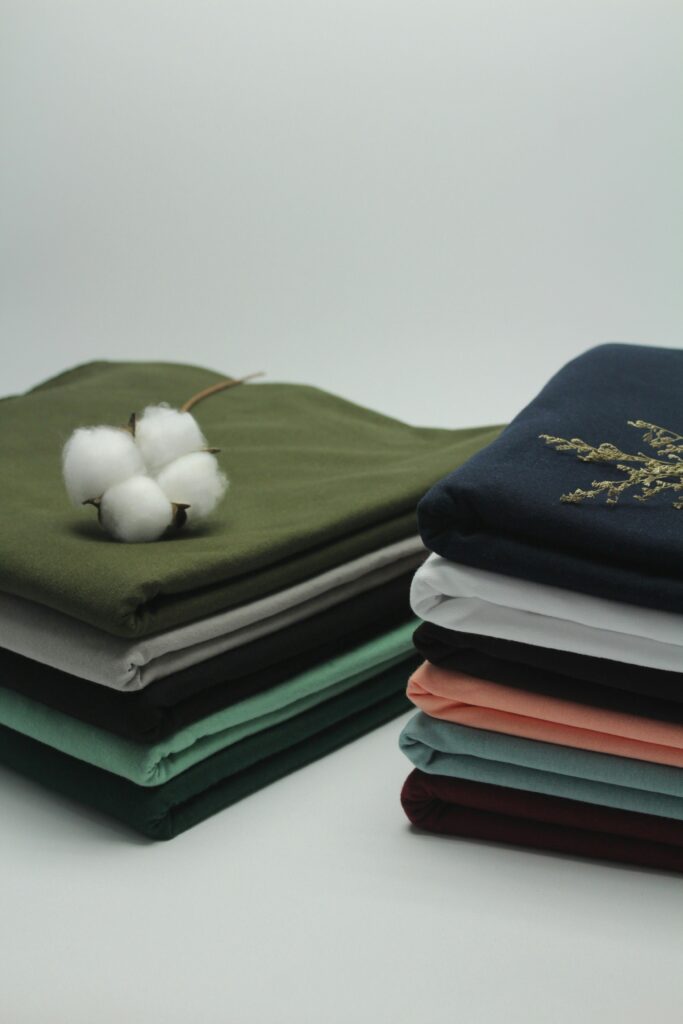
Textiles do more than change the feel of surfaces. They help define functional zones in open or multifunctional spaces. In a living room a linen-upholstered sofa can anchor the seating area, while a velvet armchair marks out a reading nook. Using textures in this way clarifies purpose without the need for physical barriers.
In dining rooms heavy velvet seating at the table paired with linen curtains softens the acoustics and ambience. In bedrooms, layering textured throws and cushions guides the eye toward the bed as the focal point. You can use rugs in complementary textures such as woven wool, jute or boucle to tie seating or sleeping areas together.
Seasonal Considerations
Textiles are wonderfully adaptable. You can change them with the seasons to tune how a room feels. Lighter linen and cotton mixes feel fresh in warmer months. In winter or cooler seasons swap in richer velvets or wool throws for warmth and visual depth. This seasonal rotation keeps a space feeling appropriate to the climate while celebrating texture.
This doesn’t mean replacing everything at once. Small updates such as heavier velvet cushions or a textured wool throw can make a room feel warmer in winter without redecorating entirely.
Practical Texture Layering Examples
In a living room a linen sofa in warm neutral tones can be complemented by a collection of velvet cushions in deeper hues. Add a woven linen throw over one arm and a wool rug underfoot to strengthen the layered look. This combination brings together rustic and refined textures in a balanced way that feels curated.
In a bedroom, consider linen bed linen as the base layer. Velvet cushions and a velvet bench at the foot of the bed introduce softness and luxury. A knit or woven throw in a complementary tone completes the ensemble and prevents the space from feeling too polished or flat.
In a reading corner, pair a velvet armchair with a linen cushion and a chunky knit throw. Placing a textured rug beneath provides tactile interest underfoot and anchors the arrangement visually.
Common Texture Mixing Mistakes
One common error is using too many different textures at once. Too much variation can make a space feel chaotic rather than layered. It is better to choose a limited number of textures and use them with purpose.
Another risk is clashing colour undertones. Fabrics with different undertones can visually fight with each other even if the textures contrast nicely. Always test swatches together in the light of your room to ensure cohesion.
Avoid placing heavy and light fabrics in awkward proportions. A tiny linen cushion against an oversized velvet seat may look unbalanced unless offset with another textile element of intermediate size.
Final Thoughts
Mixing rough linens with smooth velvets is not just about contrast. It is about balance, rhythm and thoughtful layering. When these fabrics are combined with attention to colour, scale and placement, they create interiors that feel tactile, luxurious and welcoming. Embrace the textural tension between linen and velvet and use it to bring designer sophistication to every room.
Related Posts
The Quiet Palette: A Guide to Layering Shades of Oatmeal Stone and Mist for a Calming Interior
Acoustic Luxury: Using Rugs and Wall Coverings to Create a Soft Quiet and Intimate Atmosphere