
The Scented Home: Creating a Signature Fragrance for Your House Using Layers of Candles and Oils
A beautiful interior delights the eye. Yet a truly memorable home stimulates more than just sight. The way a house smells profoundly influences mood, memory and atmosphere. Just as a signature scent can express your personality through perfume, a thoughtfully layered fragrance plan can give your home a unique aromatic identity.
Instead of relying on one candle or one oil, layering scents using candles, oils, diffusers and sprays creates depth, cohesion and a welcoming sense of home. Designers now emphasise that scent is one of the most overlooked parts of decorating yet one of the most impactful on how we experience a space.
Why Scent Matters in Interior Design
When guests walk into your home, the first impression is often visual. Yet the second impression is usually sensory and emotional. A well-chosen and consistent fragrance can make a room feel warm, calm, fresh or energising. Unlike loud décor elements, scent works quietly in the background to influence how a space feels the moment someone enters. Interior professionals also recommend introducing fragrance only after the design is complete so the scent complements the rest of your styling rather than competes with it.
Creating a signature home fragrance is about more than making the house smell good. It is about crafting an atmosphere that feels intentional and aligns with the design and purpose of each space.
Start with Your Base Scent
The first step in designing a home fragrance is to establish a base scent that runs through key areas of your house. Think of this as the quiet foundation of your aromatic identity. This base scent should feel familiar and versatile enough to work across multiple rooms. Many designers recommend warm woody or soft amber-infused scents because they evoke comfort and continuity.
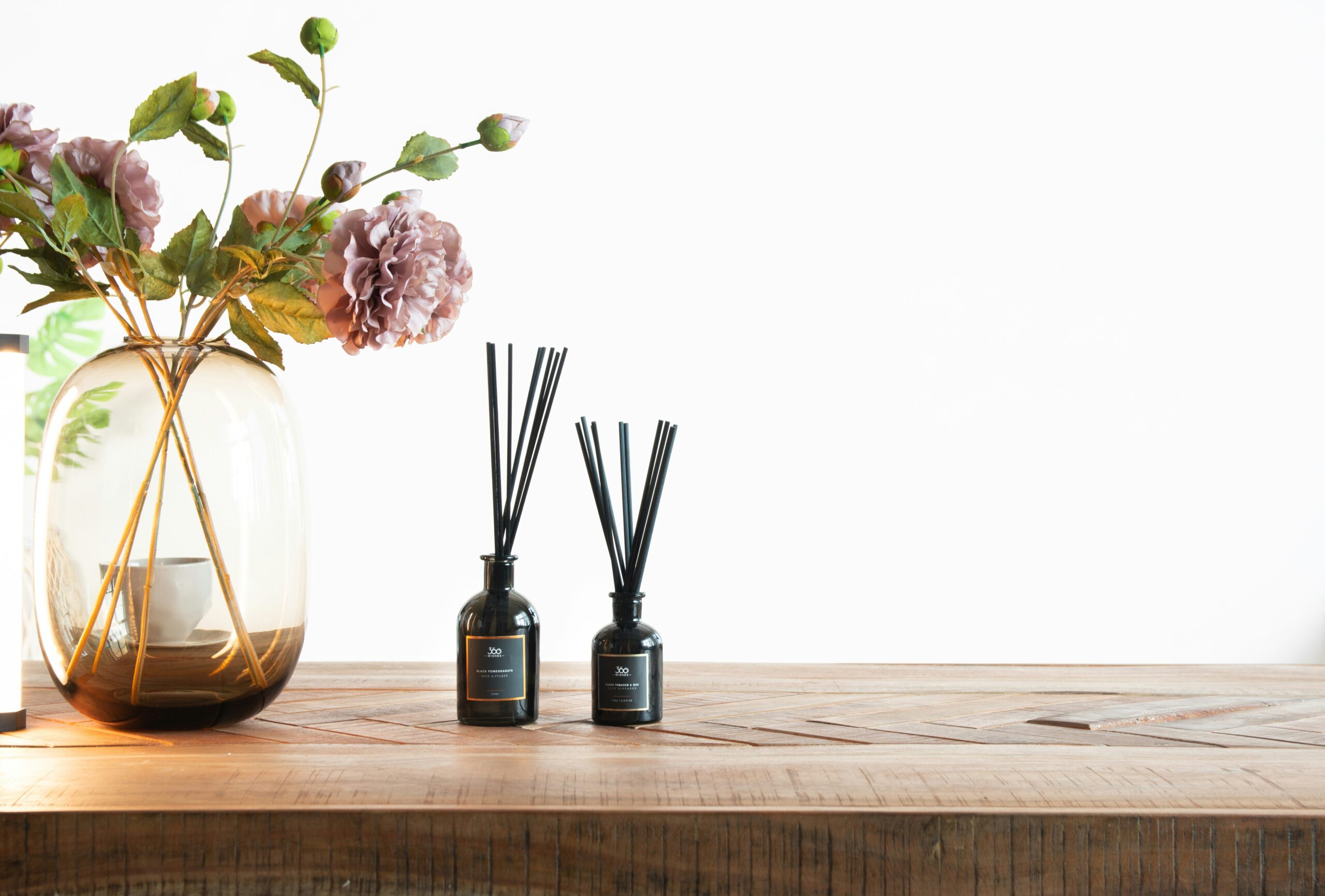
Reed diffusers make excellent base scents because they offer a subtle, continuous aroma without being overpowering. Placing a diffuser in your hallway or living area allows scent to waft gently throughout the home. A consistent base layer gives your scent story a thread that draws the various rooms together.
The Art of Layering
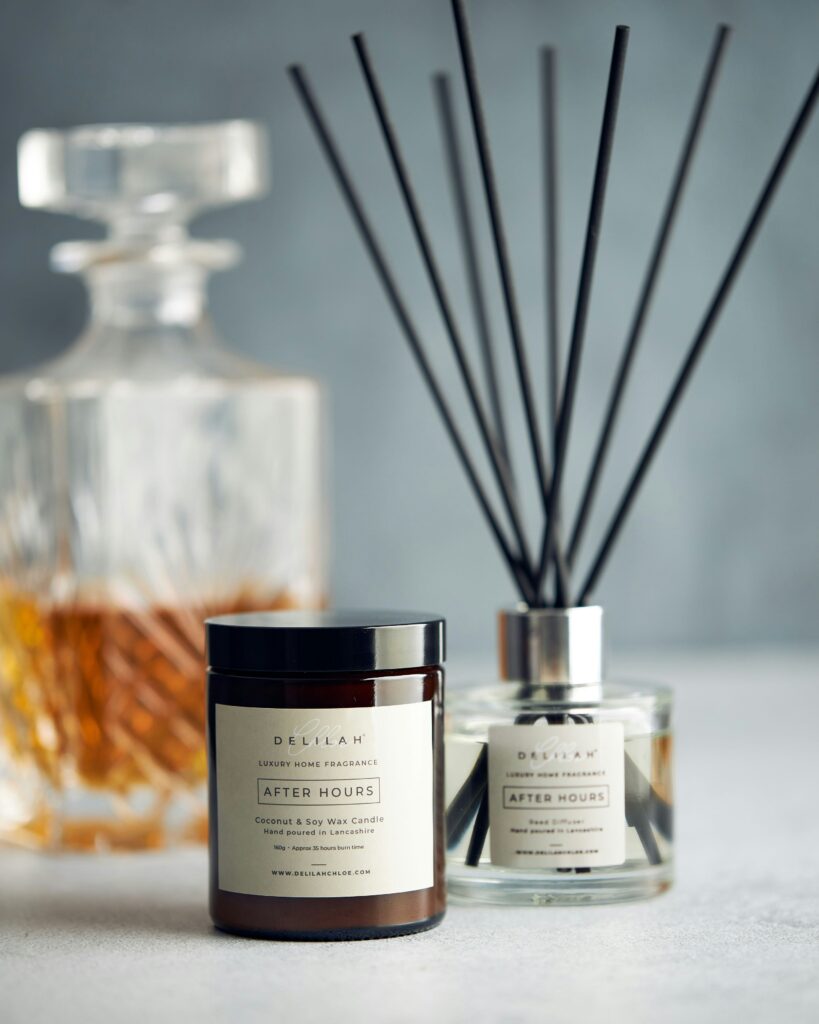
Just as in fashion or interior textiles layering adds depth and complexity, layering home fragrance creates a richer and more interesting sensory experience. Layering means using different fragrance delivery methods in harmony rather than relying on one type. For example, a reed diffuser might provide the ongoing base scent, while candles, room sprays and essential oil diffusers add dimension and variation.
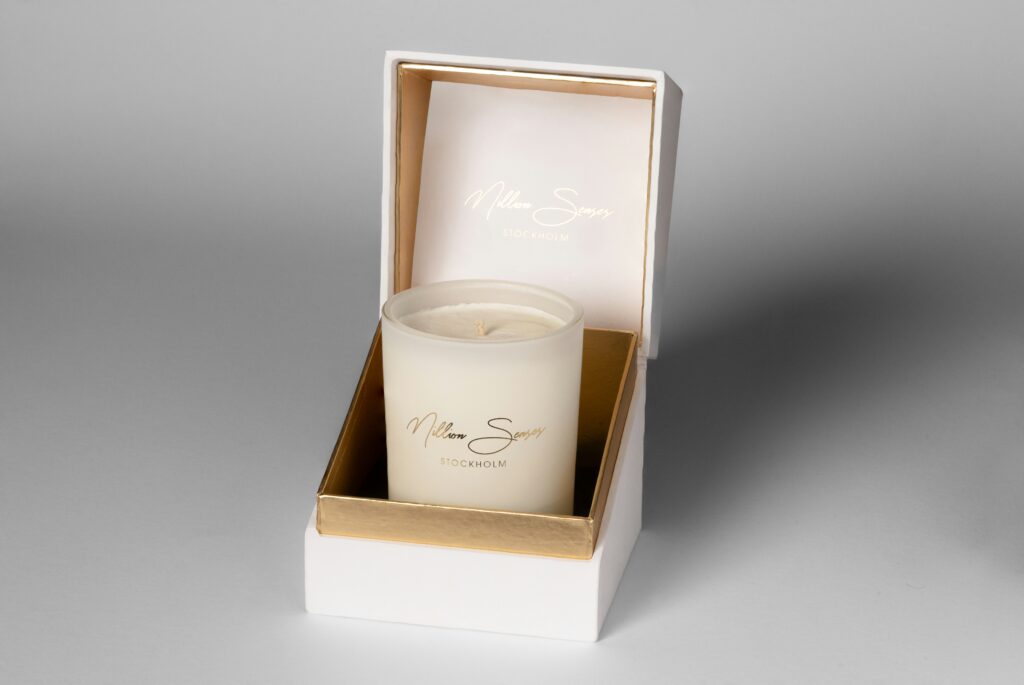
Start with your base scent through diffusers. Then use scented candles in key areas such as living rooms, dining spaces and bedrooms. Candles introduce warmth and an instant mood lift, particularly in the evenings or when guests arrive. Spritz a light room or linen spray to refresh fabrics and revive the scent when needed. This multi-layered approach ensures your fragrance is not flat but sculpted, evolving naturally as you move from space to space.
Choosing the Right Fragrances
Selecting fragrance families that complement each other is essential for creating a cohesive home identity. Start by selecting a primary scent family such as woody, floral, citrus or herbal. Within that family, choose variations that blend well. For example, combining soft citrus notes with floral heart notes and a warm woody base creates a dynamic yet unified fragrance story.
Living spaces benefit from inviting, warm notes such as amber, cedarwood or musk. These scents help make spaces feel cosy and engaging. Kitchens often suit fresher, zesty fragrances such as citrus or basil, which neutralise cooking odours naturally. Bedrooms are ideal for calming scents like lavender or chamomile that encourage relaxation. Bathrooms can be treated with crisp, clean aromas such as eucalyptus or sea breeze.
Planning Your Scent Zones
Different rooms serve different functions and therefore benefit from tailored fragrances. A well-scented home uses a thoughtful plan that guides how scent flows from one space to another rather than stopping abruptly.
The entryway is a great place to introduce your base fragrance. Because this is the first scent people encounter, it sets the tone for the rest of the house. Have a diffuser or a gentle scent here that hints at the overall fragrance identity of your home.
In the living room or main gathering areas, layer in your base scent with candles or a warmer diffuser that brings warmth and presence. Bedrooms and private spaces might benefit from softer, complementary notes that support rest and calm. Bathrooms can have lighter, fresh scents that balance humidity and personal grooming routines.
Tips for Effective Layering
Layering is both art and science. Start with subtle fragrances and allow them to settle before adding another layer. Too many strong scents at once can feel chaotic and overwhelming, so aim for harmony over volume.
Choose complementary scent families so each layer enhances the others rather than clashing. For example, vanilla goes well with sandalwood, while lavender blends nicely with soft herbal tones. Think of your base scent as the background music and the candles or spritzers as the accents that enhance mood without taking centre stage.
Always consider scent throw, which is how far a fragrance travels and how strong it feels. Larger open spaces benefit from stronger diffusers or larger burning candles, while smaller adjacent areas do well with lighter sprays or low-intensity diffusers.
Seasonal and Personal Touches
A signature home fragrance does not have to be static. You can adjust your scent layering to reflect the seasons or your mood. Spring and summer might lean into citrus and floral notes for vibrancy, while autumn and winter could embrace warmer, spicy undertones like cinnamon and amber.
Personal touches make a signature fragrance feel truly yours. Perhaps you associate sandalwood with comfort or fresh mint with clarity and focus. These personal preferences can guide your choices and make the scent story more meaningful.
Practical Placement and Maintenance
Where you place scent sources affects how evenly fragrance spreads. Position diffusers near airflow paths such as hallways and doorways to encourage a gentle movement of scent between rooms. Candles should be placed away from draughts to avoid uneven burning and to ensure the fragrance permeates effectively.
As with any element of interior design, maintenance matters. Replace diffuser reeds regularly so scent continues to spread evenly. Trim candle wicks and choose high-quality wax and oils for a cleaner burn and better scent throw.
Final Thoughts
The scent of your home is an intimate design detail that speaks to comfort, memory and atmosphere. Creating a signature home fragrance through layered scents is not just about making your house smell nice. It is about curating a sensory journey that complements your interior spaces and enriches everyday living. When you layer fragrances thoughtfully, from a base scent to complementary candles and oils, you create a home that feels cohesive, welcoming and personal in every breath.
Related Posts
The Quiet Palette: A Guide to Layering Shades of Oatmeal Stone and Mist for a Calming Interior

Acoustic Luxury: Using Rugs and Wall Coverings to Create a Soft Quiet and Intimate Atmosphere