Acoustic Luxury: Using Rugs and Wall Coverings to Create a Soft Quiet and Intimate Atmosphere
Every home has sound. Footsteps on hard floors, doors closing, chatter from adjacent rooms and echoes in tall ceilings. While some sound is natural and comforting in a busy household, not all resonances feel pleasant. Hard surfaces such as timber floors plaster walls and glass allow sound to bounce freely, making spaces feel lively but also noisy and hard to settle in.
‘Acoustic luxury’ is not just a designer buzzword; it is a tangible way to make interiors feel softer, quieter and more intimate. Two of the most effective ways to achieve this are with rugs and wall coverings, which combine visual warmth with practical noise control.
Why Acoustic Design Matters
Sound influences how a space feels emotionally and functionally. A room with hard reflective surfaces can feel cold and echoey, creating distraction and fatigue. Conversely, when sound is absorbed and softened, a space feels calm, comfortable and more private.
This effect is particularly valuable in open-plan living where multiple activities happen in the same area or in bedrooms and study spaces where rest and concentration are needed. Thoughtful acoustic design enhances wellbeing and makes rooms feel more luxurious without sacrificing aesthetics.
How Rugs Contribute to Acoustic Comfort
Rugs are one of the simplest and most effective ways to improve acoustics in a room. Hard floors such as timber, stone or tiles reflect sound, which can create echoes and increase the overall noise level. A rug absorbs sound energy, which stops echoes and reduces the reverberation that makes conversations and background noises feel louder. The denser and thicker the rug, the more sound it will absorb.
Natural fibre rugs such as wool and jute not only soften sound but also bring texture and visual warmth to a space. Wool has a natural resilience that traps sound, especially in mid- and low-frequency ranges, making it ideal for living rooms, dining rooms and bedrooms alike. Rugs with a higher pile height are particularly effective at absorbing footfall noises and reducing impact sounds from movement above or below.
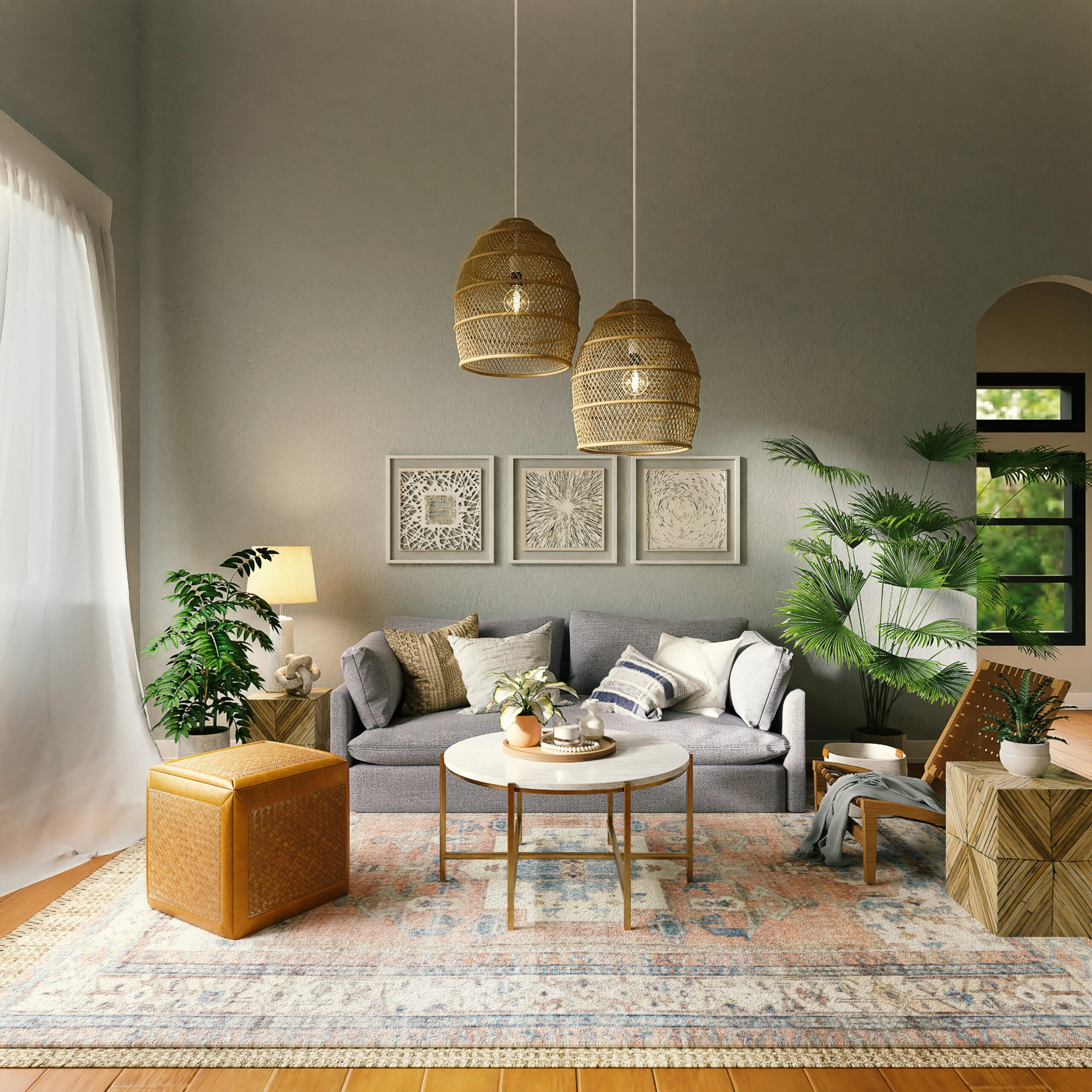
When selecting a rug, consider size first. Larger rugs that cover more of the floor area deliver better acoustic performance than small scatter rugs. A rug that extends under furniture such as sofas, tables or beds creates a sound reduction blanket that feels intentional and cohesive.
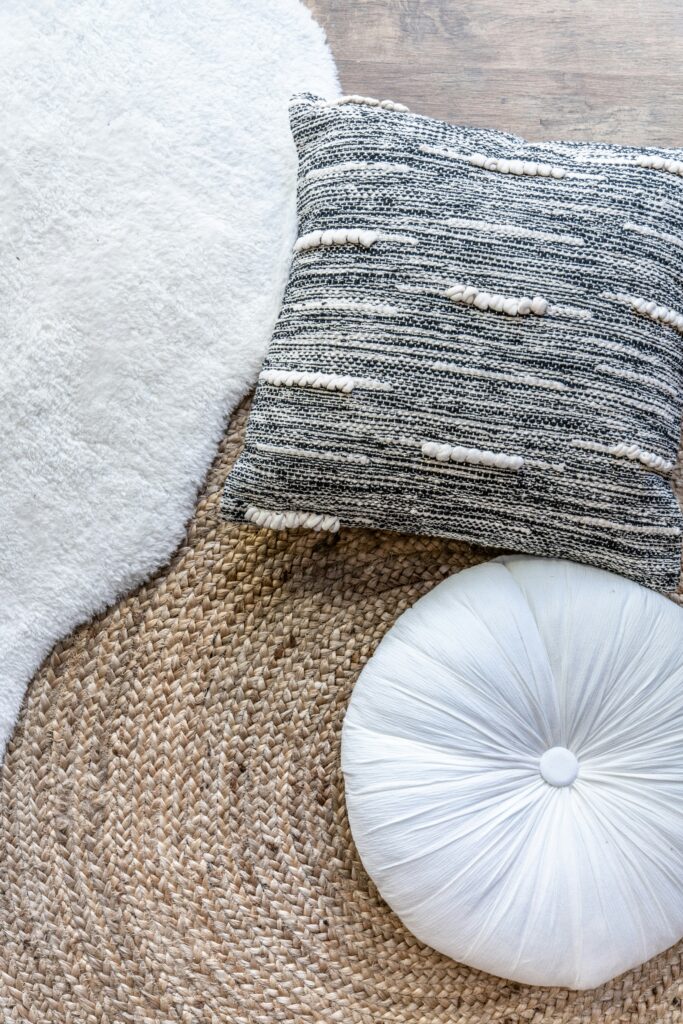
Layered rugs are another option. Placing a smaller textured rug over a larger neutral base creates both visual interest and additional softening of sound. This technique allows you to combine textures and tones while enhancing the acoustic effect.
Wall Coverings for Sound Absorption and Style
Walls may seem static, but they play a big role in how sound travels within a room. Hard paint and plaster reflect sound, while softer textured surfaces absorb it. Wall coverings such as heavy woven textiles, fabric panels or acoustic wall panels act like fabric ears, capturing sound and preventing it from bouncing back into the space.
Textile wall coverings bring colour, warmth and depth to interiors. These can be handwoven panels, vintage textiles stretched across frames or purpose-made acoustic fabrics that look like wallpaper but perform much better at sound absorption. A wall with rich textile coverings feels quieter and visually more intimate because it invites the eye in rather than bouncing light and sound back at you.
Another wall-based option is cork, which is soft to the touch and naturally sound absorbing. Cork wall tiles or panels provide both environmental credentials and acoustic performance. Natural cork brings an earthy tone that pairs beautifully with soft rugs and layered textiles, creating spaces that feel grounded and calm.
Fabric wall panels work very well in bedrooms, home offices and entertainment spaces where noise control is key. Panels can be grouped to create a feature wall or used around the perimeter to soften the entire room. When paired with complementary textiles in soft furnishings, the result feels cohesive and sensory-rich.
Combining Rugs and Wall Coverings for Maximum Impact
Rugs and wall coverings work together to build acoustic texture. While rugs absorb impact and ambient floor-level noise, wall coverings target reflected sound from the upper surfaces. This multi-layer approach transforms a room from echo-filled to enveloping.
In a living room, start with a large rug that sits under key furniture pieces. Add side rugs or runners where foot traffic is highest. Then consider a textile wall hanging opposite seating areas to reduce reflected conversation noise. Choose weaves and colours that link visually back to your rug so the scheme feels unified.
In a bedroom, place a rug under and around the bed to soften movement and reduce sound transfer. On the walls behind the bed, a fabric panel or upholstered headboard that extends upwards will further absorb sounds and make the space feel cocoon-like and restful.
Open-plan spaces benefit from zoning with both rugs and wall panels. Place rugs to define seating, dining and reading areas. Use wall panels or hung textiles to reduce sound transmission between zones. The combined effect is a space that feels spacious yet calm and well proportioned.
How Textures Influence Sensory Perception
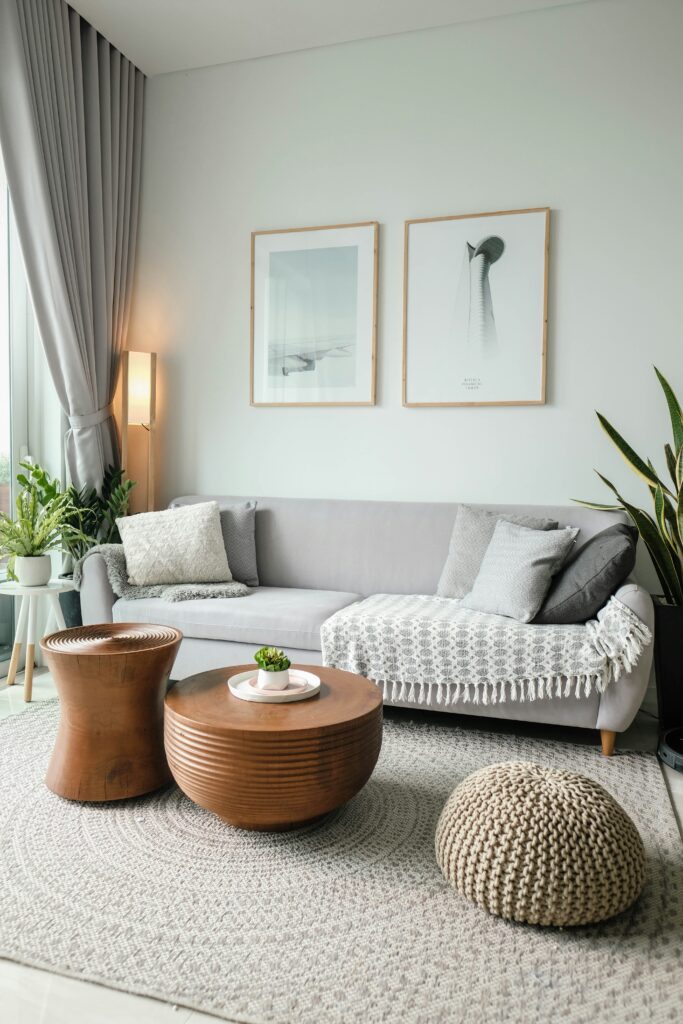
Texture matters as much to the eye as it does to the ear. Natural fibres such as wool, cotton and linen have irregular surfaces that scatter both sound and light, creating a soft and inviting aesthetic. Woven textures such as bouclé or chunky knits on a rug invite touch and slow down visual lines, making spaces feel emotionally warmer.
Contrast heavier textured rugs with smoother wall fabrics to create a sensory dialogue within the room. Pair a deeply piled wool rug with a linen or soft cotton wall covering. The contrast between rougher and smoother surfaces prevents a space from feeling static or visually heavy but still supports a sense of calm intimacy.
When texture is combined with acoustic benefit, you achieve a luxurious environment that feels both comfortable and stylistically complete. The key is balance, not contrast for contrast’s sake.
Practical Tips for Choosing Rugs
Consider both the material and weave of your rug. Wool is excellent for sound absorption and durability. Natural fibres like jute and sisal are visually textured and softer sounding than hard floors but may feel firmer underfoot. If softness and acoustic performance are priorities, then look for rugs with deeper pile heights.
Texture and colour also influence perception. Neutral tones allow rugs to blend seamlessly into a space, while bold-coloured or patterned rugs bring visual energy. Even with bold designs, though, choose patterns that feel calm and harmonious with the rest of your palette to maintain the intimate atmosphere.
Size matters too. A rug that is too small creates acoustic islands rather than a cohesive sound-reducing layer. Aim for rugs that extend under major furniture legs or cover the largest possible uninterrupted floor area.
Practical Tips for Choosing Wall Coverings
When selecting wall coverings, think both about performance and aesthetics. Natural fabrics such as cotton, linen and wool absorb different frequencies of sound and bring warmth to a room. Look for fabric wall panels that are purpose-designed for acoustic benefit when noise control is a priority.
Cork wall solutions also perform well and provide a tactile surface that complements other natural elements in your space. When installing wall coverings, start with the walls that face large empty surfaces, such as long expanses of plaster or areas opposite seating. These tend to reflect the most sound.
Placement around doors and windows is also important. Soft textile panels near openings reduce the sharp reflections that make a room feel lively. When balanced with curtains and soft furnishings, the overall effect is a quieter, more restful space.
Seasonal and Changing Needs
Acoustic luxury is not fixed. In winter when homes are closed up and heating is on, sound tends to travel more. Add layered rugs and heavier wall textiles for these months to absorb increased noise. In summer lighter fabrics and softer woven rugs can still provide comfort without feeling too warm underfoot.
Layering textiles seasonally also keeps your interior feeling fresh and responsive. Swap deeper piled rugs for lower pile varieties in warmer months. Change wall textiles to lighter fabrics during months when heating is lower and natural ventilation is higher.
Common Mistakes to Avoid
One common mistake is choosing rugs that are too small. Rugs should always feel intentional and proportionate to the space. In a large living room two small rugs scattered randomly will do little for acoustics or aesthetics. It is better to invest in one larger or layered rug solution that ties the space together.
Another error is installing textiles without considering the rest of the material palette. Leather upholstery and sleek surfaces may clash with a very heavy textured rug if colour and tone are not aligned. Always test materials in your actual light conditions before committing.
Placing wall coverings too high or too low can also diminish their effect. Coverage should be at ear level, where reflected sound is most problematic.
Final Thoughts
Acoustic luxury is a design approach that makes a space feel softer, quieter and more intimate. Rugs and wall coverings are two of the most impactful ways to achieve this effect. When chosen with care, they not only improve sound quality but also enhance the tactile and visual warmth of your home.
Soft layered surfaces absorb sound and invite touch, allowing spaces to feel calm and welcoming. By combining thoughtfully chosen rugs and strategic wall coverings, you can transform rooms from echoic and hard to refined and restful. This is sensory design that feels as good as it looks and as peaceful as it sounds.
Related Posts
The Quiet Palette: A Guide to Layering Shades of Oatmeal Stone and Mist for a Calming Interior

Textile Tension How to Mix Rough Linens with Smooth Velvets for a Designer Look