The Library Nook: Creating a Dedicated Space for Slow Living and Physical Books
In a world filled with screens and constant connection, a library nook offers something rare and precious. It gives you a space to slow down, savour the feel of a printed page and create an atmosphere that invites calm, curiosity and comfort. A library nook does not need to be a grand room.
It can be a corner of a living room, a small alcove beneath the stairs or a framed space next to a window with soft light. What makes it distinct is intention. This is a space that values physical books, thoughtful design and the kind of slow living that restores the mind and nurtures curiosity.
Creating a library nook is not just about shelves and seating. It is about crafting a place that feels personal, comfortable and welcoming. In this guide you will discover how to choose the right location, organise your books, select comfortable furniture and use sensory design to make your nook feel truly inviting.
Choose the Right Location
The first step in building a library nook is choosing where it will live. Ideally this should be a quiet corner of your home that feels separate from the busiest pathways and the most active rooms. A spot with good natural light is a bonus because reading is more pleasurable when pages are easy to see without strain.
That said, library nooks are not only for window seats. A softly lit corner with layered lighting can be just as inviting in the evening. Think of your nook as a retreat that provides both visual and practical comfort.
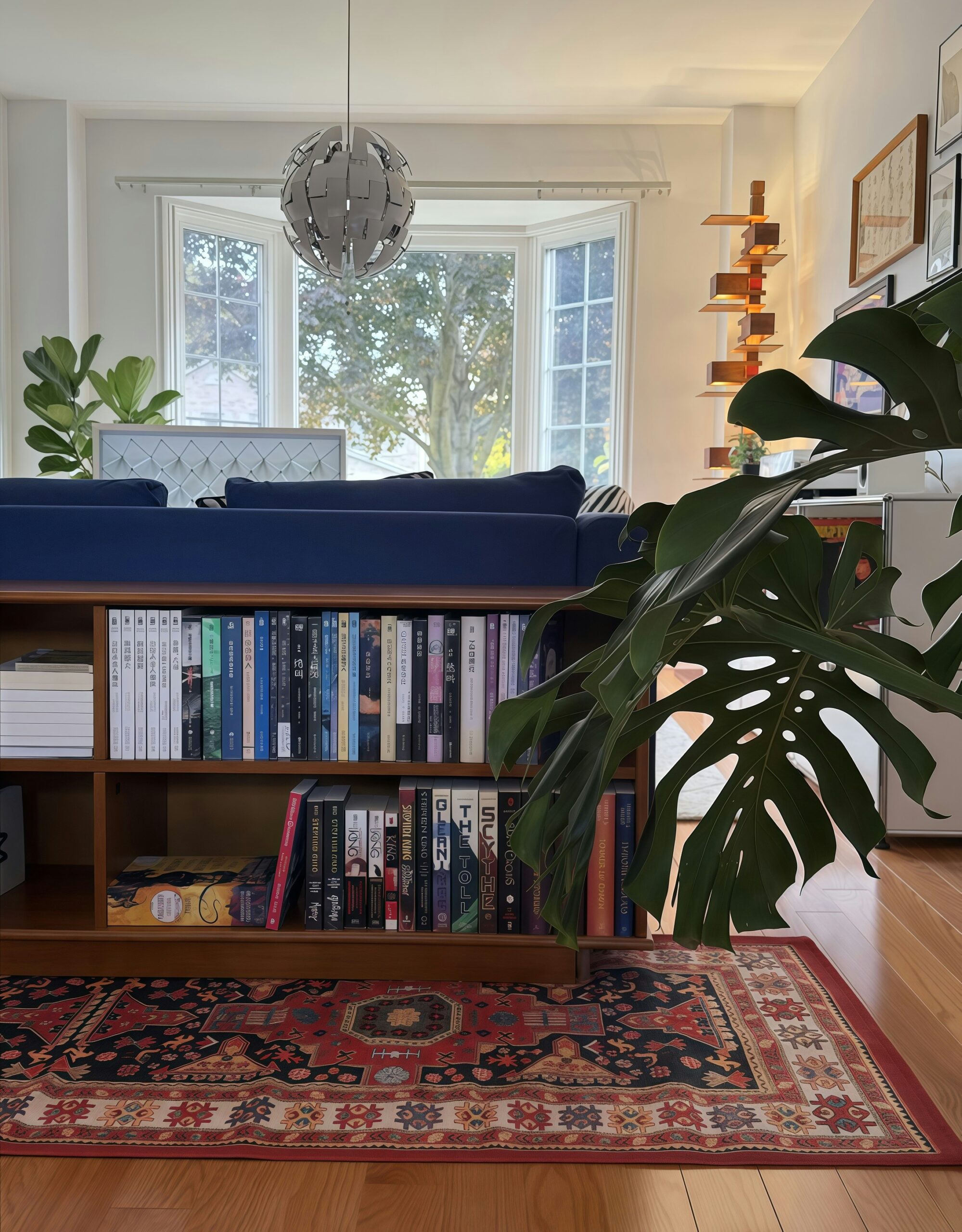
In an open-plan home, a library nook can act as a subtle boundary without closing off space. Position it near a wall or use a tall shelf as a visual divide so it feels like a place apart even when it is part of a larger area.
Select Furniture that Encourages Comfort
Seating is central to any library nook. Think beyond a simple chair and aim for something that invites you to stay longer. A comfortable armchair with soft upholstery and good back support encourages relaxed reading sessions. Upholstered benches with cushions or a small chaise longue are also excellent choices if space allows.
When selecting seating, think about the scale of the space. A bulky armchair may overwhelm a small corner, while a delicate seating option might feel lost in a larger nook. Find furniture that feels balanced with the space and invites you to linger.
A small side table is a useful addition. It provides a place for a drink, glasses or your snack while you read. A cushioned footstool or ottoman can add comfort and functionality without taking up much room.
Build Shelves that Celebrate Your Books

Books are the heart of your library nook, so how they are stored matters. Built-in shelves create a sense of permanence and design cohesion. Floor-to-ceiling shelving makes the most of vertical space and creates a beautiful visual backdrop that celebrates your collection.
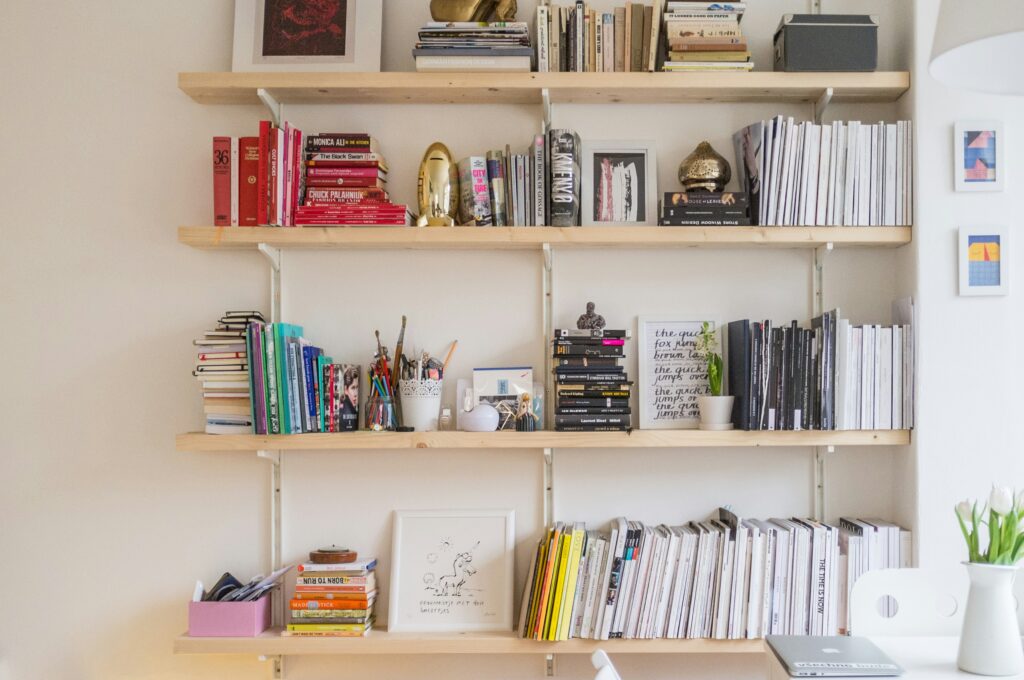
Wall-mounted shelves also work well in smaller nooks and help keep the floor area open and uncluttered. If you do not have room for built-in or mounted shelves, a freestanding bookcase placed thoughtfully brings both storage and visual interest.
Organise your books in a way that reflects your personality and makes them easy to find. Some people prefer arranging by genre or topic, while others group books by colour or height to create a pleasing visual rhythm. There is no single right way, but intentional organisation helps the space feel calm and accessible.
Consider Lighting for Ambience and Function
Lighting is particularly important in a library nook because it affects both mood and practicality. Natural daylight is ideal for daytime reading, so position seating where light falls comfortably across your book pages without glare.
For evening reading, a dedicated reading light or lamp with warm lighting makes a big difference. Adjustable lamps that can be directed onto pages without spilling light into other parts of the room create comfort while preserving the calm ambience of the space.
Soft floor lamps or table lamps with warm white bulbs can also add to the cosy atmosphere. Avoid harsh overhead lighting which can create shadows and visual fatigue. Instead, use gentle lighting that makes the nook feel restful and welcoming.
Add Textural Comfort and Warmth
A library nook should feel tactile and inviting. Rugs, throws and soft cushions introduce texture that invites you to settle in and stay longer. A wool or bouclé rug underfoot adds warmth and absorbs sound, creating a quieter atmosphere that supports focus and relaxation.
Layering textiles is also a way to express personality and make the space feel cosy. A soft throw draped over your armchair, a cushion in a natural fabric and even a small upholstered pouffe all contribute to tactile richness that feels intentional and nurturing.
When choosing textures, think about contrast. A smooth linen cushion against a plush wool throw brings a sense of depth to the space without overwhelming the eye. Choose a palette that feels calm and cohesive so that textures complement rather than compete.
Personalise with Meaningful Details
A library nook should feel personal. Incorporate objects that reflect your interests and make you smile. A framed photograph, a stack of journals, a favourite candle or small decorative objects can all make the space feel like your own.
Plants also bring life and freshness. A small potted plant or a vase of fresh flowers on a side table introduces natural energy and softens the lines of shelves and furniture.
Use trays or decorative boxes to store bookmarks, reading glasses and pens so these items are organised and easy to find. Personal touches that are both functional and beautiful make the nook feel cared for.
Invite Calm with a Sensory Approach
A library nook is a space for slow living, so engage all the senses. A gentle fragrance from a diffuser or candle can make the space feel serene and welcoming. Choose subtle scents such as sandalwood, jasmine or cotton linen that enhance comfort without overwhelming.
Sound also plays a role. Soft background music or the quiet rustle of pages can complement the experience. Some people enjoy having a small speaker nearby for ambient music or nature sounds that deepen relaxation. Keep the volume gentle so the space feels peaceful.
Temperature matters too. A cosy nook feels warm and comfortable but not stuffy. If the corner tends to be cooler, consider a textured throw or a small seat cushion to make the seating more inviting in colder months.
Daily and Weekly Rituals for Slow Living
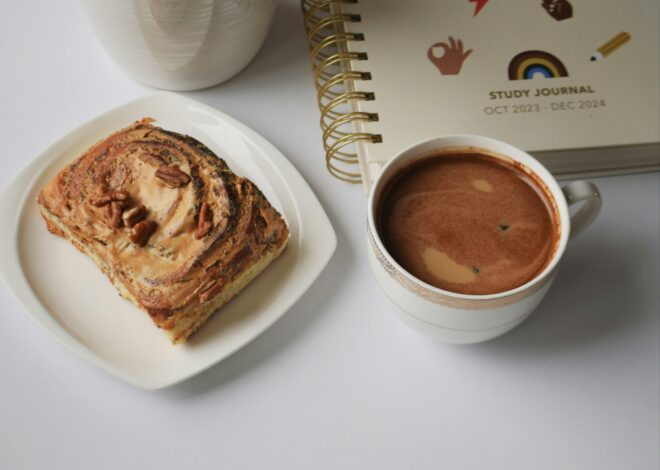
Once your library nook is complete, consider how you will use it each day. Slow living is about rhythm and intention, so create rituals that support this approach. Perhaps you begin your morning with a cup of tea and a chapter of a book here. Or you end your day by settling into the nook with poetry or your current favourite novel.
Weekends might be the time for longer reading sessions or for bringing a journal to the nook for reflection. These rituals anchor the space to your everyday life and make it feel truly lived in.
Keep the Space Fresh and Functional
Like any part of your home, a library nook benefits from care and maintenance. Keep shelves dusted and books in good order. Replace any lighting bulbs that dim over time so the reading environment remains welcoming.
Clear away clutter regularly so the space does not feel crowded or overwhelming. A library nook should feel like a sanctuary, not a storage area. Resist the urge to treat it as a catchall for miscellaneous items. Keep it focused on books, rest and calm.
Examples of Library Nooks in Real Homes
In a Victorian terrace a small alcove under a bay window was transformed into a reading nook with built-in shelves, a cushioned bench and layered textiles in soft neutral colours. The window seat captured morning light and became the favourite spot to start the day with a cup of coffee and a novel.
In a modern apartment a minimalist nook used a sculptural armchair, tall shelving and a simple floor lamp to create a quiet corner for reading. Books were arranged by colour to create visual harmony, and a low-textured rug underfoot brought softness and acoustic comfort.
A loft space near a stair landing used an elegant chaise longue paired with a bespoke shelving unit that wrapped the corner. Subtle lighting and greenery completed the calm ambience so the nook felt both intimate and connected to the wider home.
Final Thoughts
A library nook is more than a place to store books. It is a dedicated space that invites pause, reflection and slow living. By choosing comfortable seating, thoughtful lighting, textured accents and meaningful details, you create a space that nurtures reading and supports wellbeing.
Designing your library nook with intention makes the act of reading feel like an experience rather than a task. Whether it is a small corner or a spacious corner room, this space becomes a haven for the quiet moments that refresh the mind and calm the soul.