Creating Sculptural Floral Arrangements That Transform Your Home
Flowers have the power to transform a room instantly. A carefully composed arrangement brings life, texture, scent and colour to interiors in a way that feels fresh and considered. Yet the supermarket bouquet with its mixed stems and crowded blooms can often feel generic and cluttered rather than refined and architectural.
Floral architecture is about thinking in form and structure rather than just filling a vase. It acknowledges that flowers and branches are not just decorative elements but sculptural components that can enhance the rhythm and composition of a space.
In this guide you will learn how to move beyond the standard bouquet to create purposeful arrangements that feel elevated, balanced and sympathetic to your interior style.
Think in Lines and Shapes
The foundation of floral architecture is an understanding of line, height and direction. Instead of grouping many small stems together in a rounded bouquet, consider using structural branches such as willow, birch or curly willow to create height and movement.
These taller, linear elements give a composition an architectural spine and introduce a sense of flow that complements interiors with high ceilings or open spaces.
Branches such as dogwood or eucalyptus work beautifully because their natural curves and subtle textures add complexity without overwhelming the space. Use these lines to guide the eye upwards or across a room and tie the arrangement into the surrounding architecture.
Choose Blooms with Character
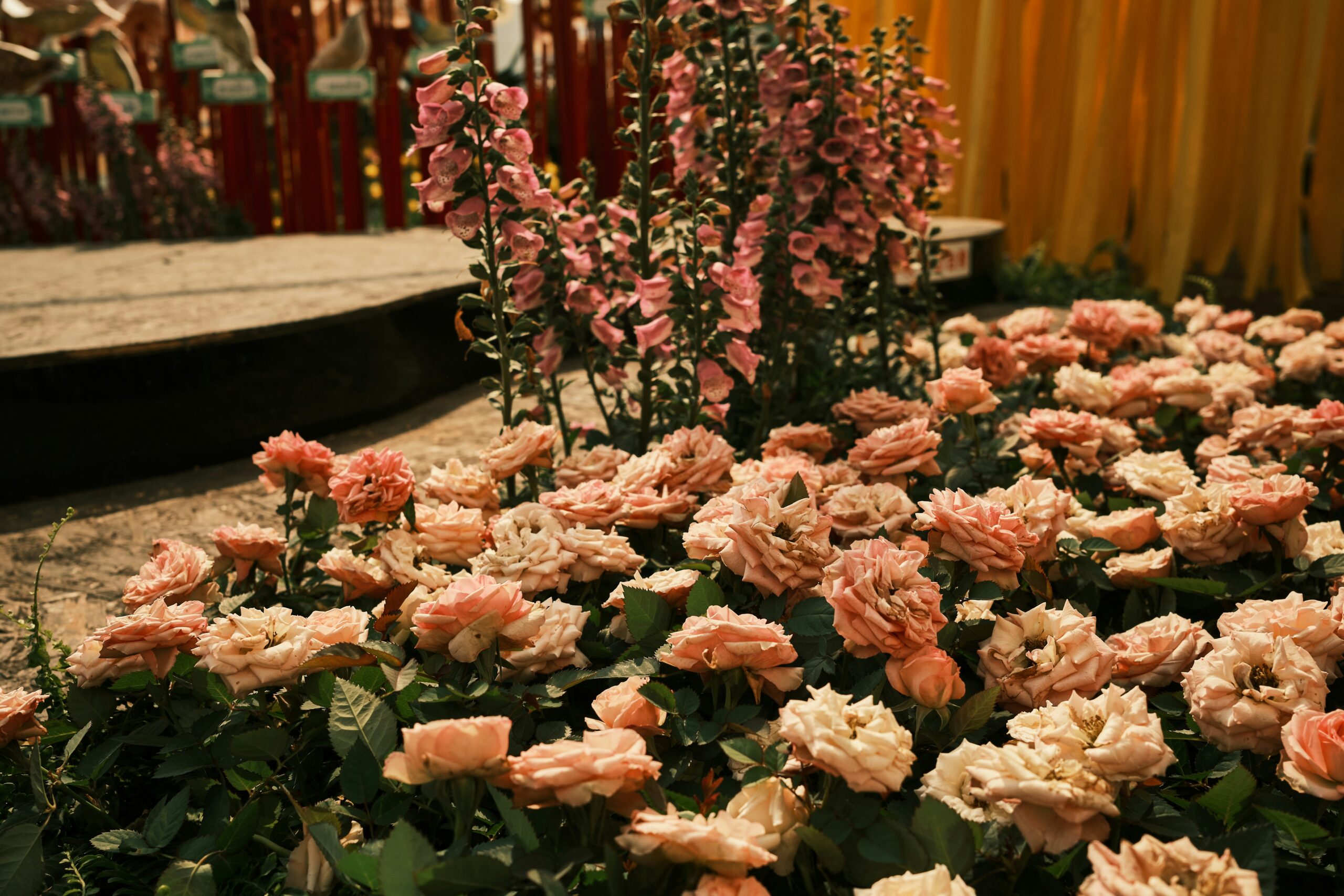
When moving beyond supermarket bouquets, look for blooms with strong form and character. Flowers such as protea, hydrangea, peonies, garden roses and allium offer architectural interest because their shapes vary widely and catch the eye.
Protea, for example, has a bold silhouette that works well as a focal point in tall arrangements, while hydrangea clusters create a soft, cloud-like base when contrasted with structural branches. Garden roses and peonies add luxury and depth with their layered petals and gentle presence.
Working with flowers that express character and form elevates your arrangement and helps it read like a piece of interior styling rather than a generic gift bouquet.
Establish a Clear Focal Point
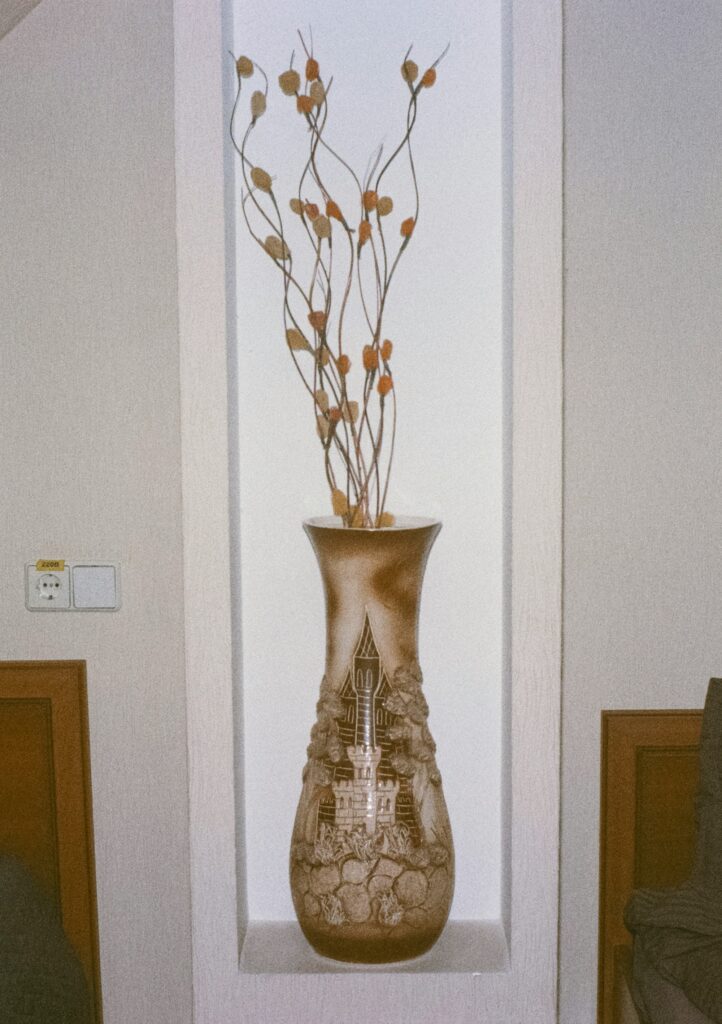
Every successful arrangement has a focal point that anchors the composition. This could be a striking bloom, such as a large protea, or a cluster of textured flowers, such as hydrangea, positioned intentionally near the centre or slightly off-centre for a more natural feel.
Once you have chosen this anchor, build around it with secondary flowers and branches. The idea is to let the eye rest on the focal flower before exploring the supporting elements. This approach mirrors how gallery curators arrange artwork to draw attention and then encourage visual exploration.
Embrace Negative Space and Balance
A common mistake when arranging flowers is to fill every available space. Instead, think of negative space as an essential component of composition. Areas without blooms allow the eye to rest and help the key elements stand out more dramatically.
Balance between full and open areas is what gives architectural arrangements their sculptural feel. For example, allow a few tall branches to rise above a cluster of low flowers rather than crowding the base with too many stems. This creates a visual rhythm that feels intentional and dynamic rather than chaotic.
Select Containers with Purpose
The vessel you choose for your arrangement influences both the aesthetic and the structure. Tall, narrow vases are ideal for linear compositions that emphasise height and movement. Wide, shallow bowls work well when you want a low, expansive arrangement that stretches horizontally across a sideboard or dining table.
Materials matter too. Glass offers transparency and lets stems become part of the visual story. Ceramic and metal vessels add weight and presence and can anchor a floral composition in a room with heavier textures or architectural features.
When selecting a container, think about proportion. A very tall vase with a small arrangement can feel top-heavy. A wide vessel with only a few stems can feel sparse. Scale the container to the number and size of blooms you intend to use.
Work with Colour as a Designer Tool
A supermarket bouquet often contains a mix of colours that can feel disjointed. Instead, choose a colour palette that complements your interior scheme. A tonal palette of whites, creams and greens feels calm, refined and timeless. These colours work beautifully in minimalist and contemporary spaces.
If you want to introduce colour, choose one or two accent tones such as soft apricot, muted mauve or deep burgundy. These stronger hues act as punctuation marks within a composition without overwhelming the space. Colour ought to enhance, not dominate.
The key is consistency. When your floral colours echo tones in your interior design, such as soft neutrals in a living room or jewel tones in a study, the arrangement feels purposeful and connected rather than tacked on.
Use Texture to Add Depth
Texture adds richness and tactile interest to your floral compositions. Pair smoother petals with rougher foliage or seed heads to create contrast. Thistles, berries and seed pods are excellent supporting elements because they introduce an unexpected visual twist and break up smoother surfaces.
Combining textures also helps your arrangement feel layered and dimensional, much like a well-styled room that blends different materials and finishes.
Seasonal Awareness and Fluidity
One of the keys to sophisticated floral styling is seasonal awareness. Flowers and branches that are in season tend to last longer and feel more natural in your arrangements.
In spring consider blooms such as ranunculus and tulips paired with fresh green stems. In summer incorporate delphinium, dahlias and large blooms such as hydrangea. Autumn lends itself to branches with berries and seed heads alongside warm-toned blooms.
Winter arrangements work beautifully with evergreens, pussy willow and structural branches that echo the stillness of the season.
Adapting your arrangements seasonally allows each display to feel right for the time of year and keeps your styling fresh and relevant.
Placement Matters
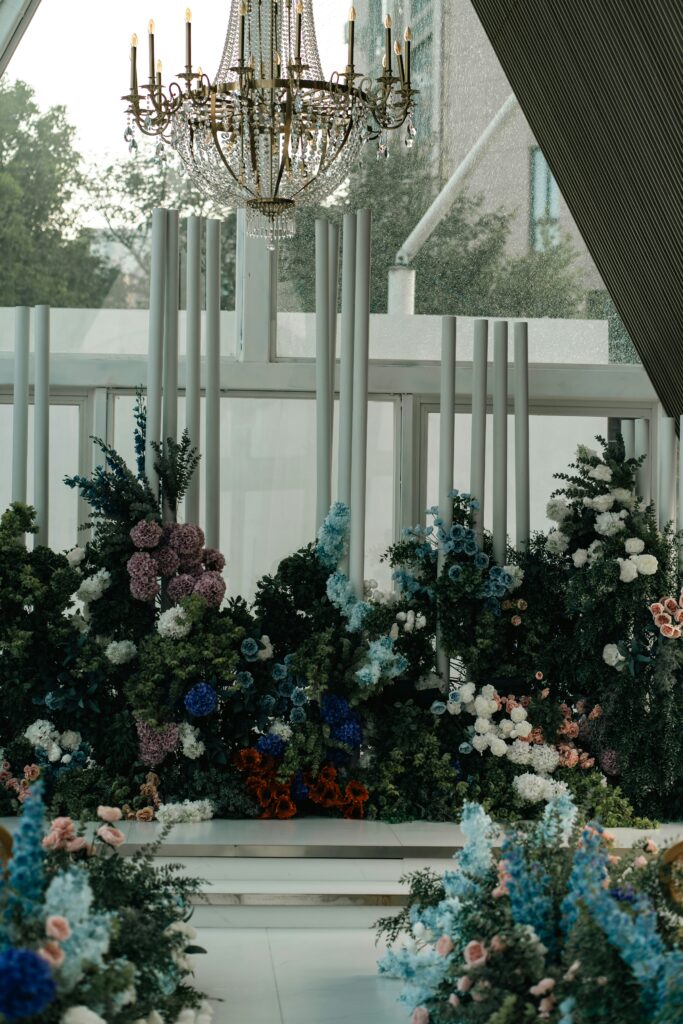
Where you place your floral architecture impacts how it is experienced. Large arrangements are striking on dining tables, console tables and mantelpieces, where they act as focal points without crowding everyday living spaces.
In entryways an arrangement with height sets the tone for the home and welcomes visitors. In living rooms smaller compositions on coffee tables or side tables can create pockets of interest that tie the space together.
Be mindful of sightlines. Guests should be able to enjoy arrangements without them obstructing views across tables or into other parts of the room.
Maintenance and Longevity
Even the most beautiful arrangement needs care. Change the water every couple of days to keep blooms fresh and remove any stems that begin to wilt. Trim stems at an angle to help them absorb water more effectively.
Place arrangements away from direct sunlight and heat sources. This slows wilting and prolongs the life of your blooms. With branches such as willow or eucalyptus, refreshing them regularly helps maintain shape and vibrancy.
Floral Styling as a Practice
Floral architecture is both a craft and an art. It rewards experimentation. Don’t be afraid to try new combinations, adjust heights, or remix elements from one arrangement into another. The more you practise, the more intuitive your designs become.
Document arrangements you love with photos and notes about shapes, colours and vessels so you can revisit successful compositions in the future.
Final Thoughts
Flowers and branches have the potential to be architectural elements in your interior design when approached with intention, structure and style. Moving beyond the supermarket bouquet means thinking like a designer, working with form and space, and creating arrangements that feel connected to the room itself.
Beautiful floral architecture enhances not just aesthetics but the mood of a space, inviting life and movement into interiors with grace and balance. When you embrace structure, colour and texture as tools in your floral styling, you step into a world where every bloom feels intentional and every arrangement feels like an extension of your home.