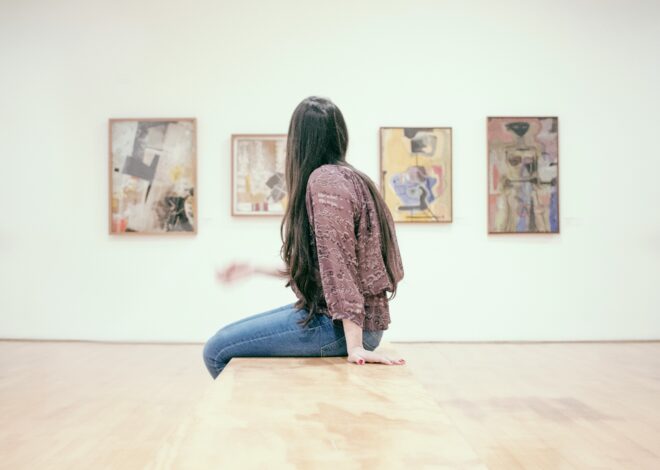
How to Use Picture Lights to Make Your Home Feel Like a Private Gallery
Lighting is one of the most powerful tools in interior design, yet it is often overlooked. Properly illuminated artwork can transform a room, adding depth, drama and focus, while poorly lit pieces fade into the background. Picture lights are a simple but effective way to showcase paintings, prints and photographs, creating a private gallery feel in your own home.
This guide explores how to choose, position and style picture lights so that your art becomes a central feature of your interior. It provides practical tips for different types of artwork and spaces, helping you combine function with elegance.
Understanding Picture Lights
Picture lights are designed to cast an even, flattering light across a work of art. They come in various styles, including wall-mounted, battery-operated, plug-in, and hardwired models. The key is to choose a light that complements both the artwork and your room while providing consistent illumination without glare.
Traditional brass picture lights add a classic touch, while contemporary slimline models offer discreet, modern solutions. Regardless of style, the goal is to enhance the colours, textures and details of the piece without creating harsh shadows or reflections.
Selecting the Right Light
The size of the artwork largely determines the size and number of lights you need. Small pieces can be highlighted with a single light, while larger paintings may require multiple lights to ensure even coverage. The width of the light should ideally match the width of the artwork to avoid uneven illumination.
LED bulbs are often the preferred choice for picture lights. They emit minimal heat, preserving delicate artworks, and provide consistent colour temperature. Warm white LEDs enhance natural tones without distorting colours, creating a gallery-quality effect.
Positioning for Maximum Impact
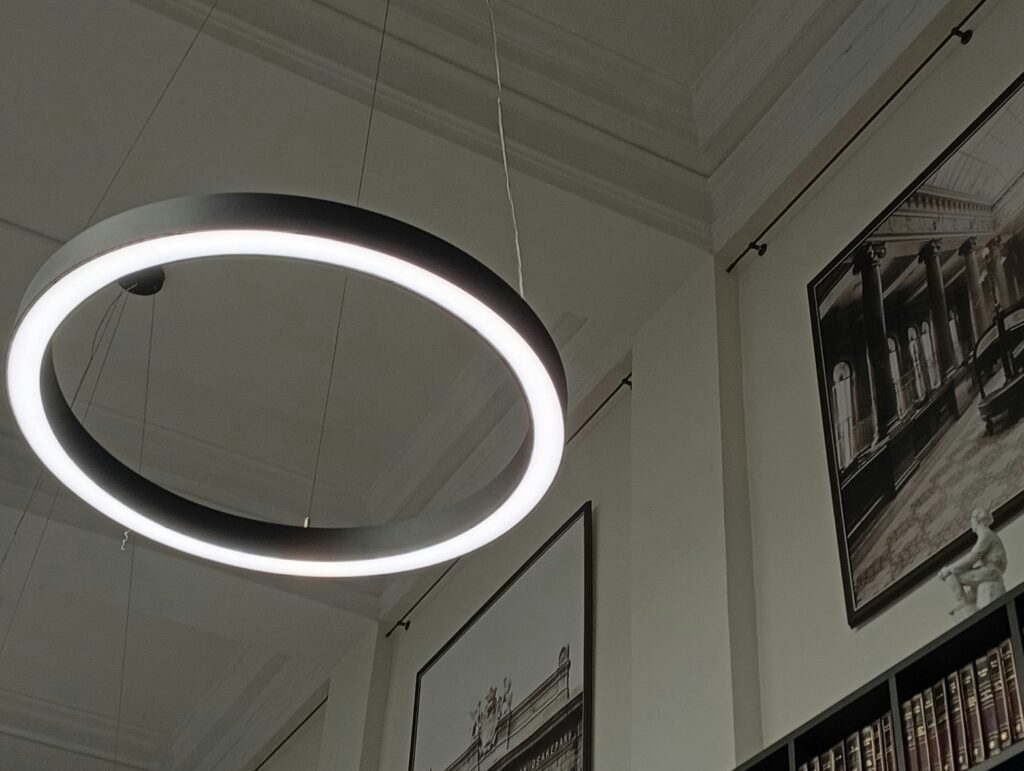
Positioning is crucial when installing picture lights. The ideal height is generally above the artwork, angled at around thirty degrees to evenly distribute light across the surface. Avoid placing lights too high or too shallow, as this can create hotspots or shadows.
For artworks behind glass, consider anti-glare or low-glare options to prevent reflection. The distance from the artwork to the light should be adjusted according to the piece’s size and the wattage of the bulb. Small adjustments can make a dramatic difference in how the art is perceived.
Layering Light in the Room
Picture lights work best when part of a layered lighting plan. Ambient lighting provides general illumination, while task lighting helps with reading or other activities. Accent lighting, such as picture lights, draws the eye to specific features, creating visual interest and depth.
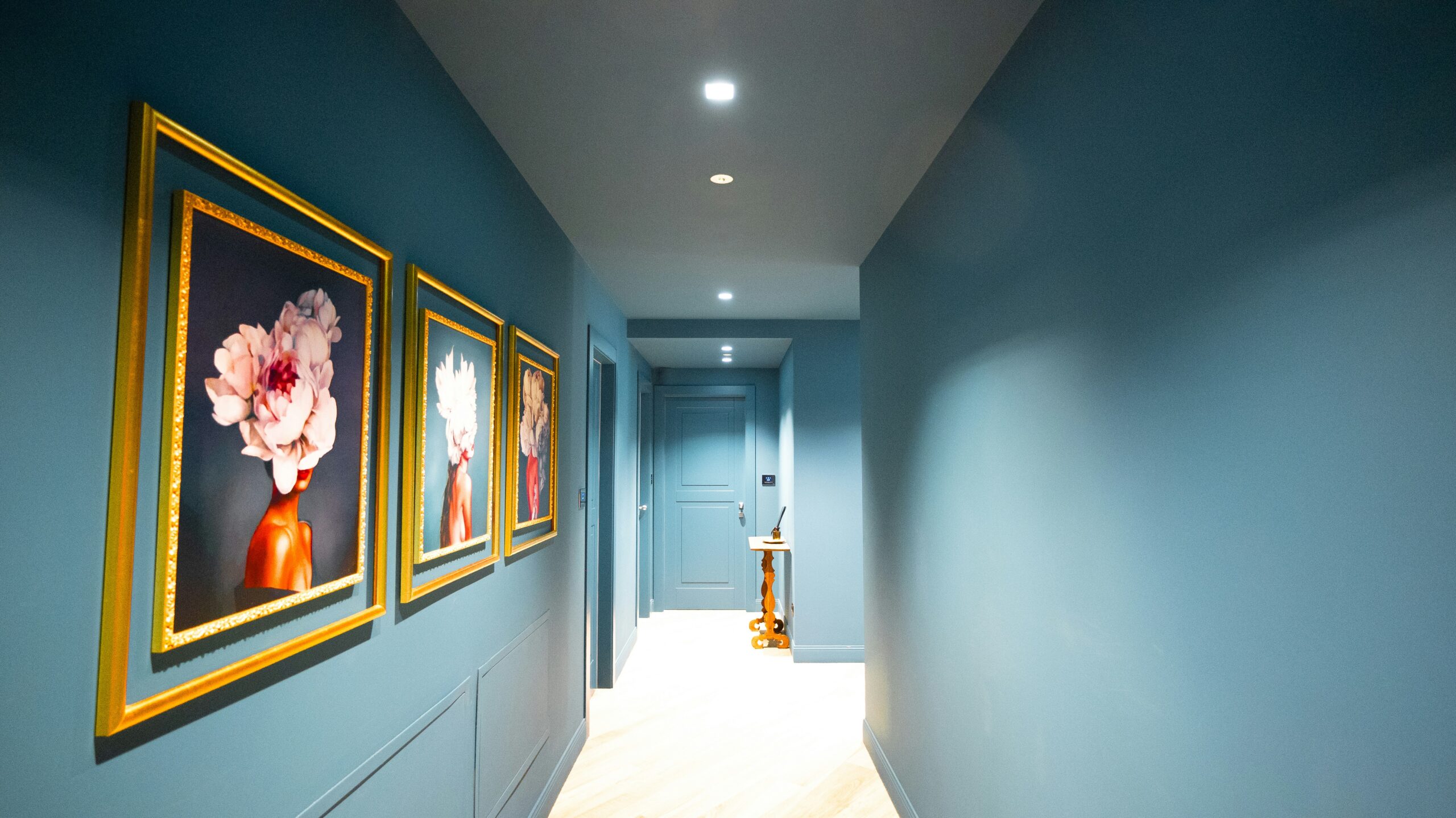
Using dimmers adds versatility, allowing you to adjust the intensity depending on the time of day or mood. In a hallway or gallery wall, multiple picture lights can be arranged on a single circuit with dimming control for a coordinated effect.
Highlighting Different Types of Art
Different types of artwork require different approaches. Oil paintings with textured brushstrokes benefit from lights that enhance depth, creating subtle shadows that highlight texture. Watercolours and delicate prints need soft, even illumination to avoid fading or distortion.
For framed photographs, adjust the angle and intensity to reduce reflections from glass and glare. Sculptural pieces or three-dimensional art can also be highlighted with adjustable picture lights or directional spotlights to accentuate form.
Consider the Room’s Style
Picture lights should complement your interior as well as the art itself. In a traditional living room, brass or bronze finishes enhance warmth and classic style. In a modern minimalist interior, matte black or brushed nickel lights maintain a clean, understated look.
The choice of light style can also affect perception of the artwork. A decorative fixture adds character and complements ornate frames, while a discreet modern light keeps attention focused purely on the piece.
Practical Installation Tips
Wall-mounted picture lights should be installed securely with appropriate fixings for the wall type. Hardwired lights are seamless but require professional installation, whereas plug-in or battery-operated lights offer flexibility and easier repositioning.
Ensure cords and wiring are concealed where possible to maintain a polished appearance. Use spirit levels when mounting to keep lights straight, as even a slight tilt can distract from the artwork’s presentation.
Maintenance and Longevity
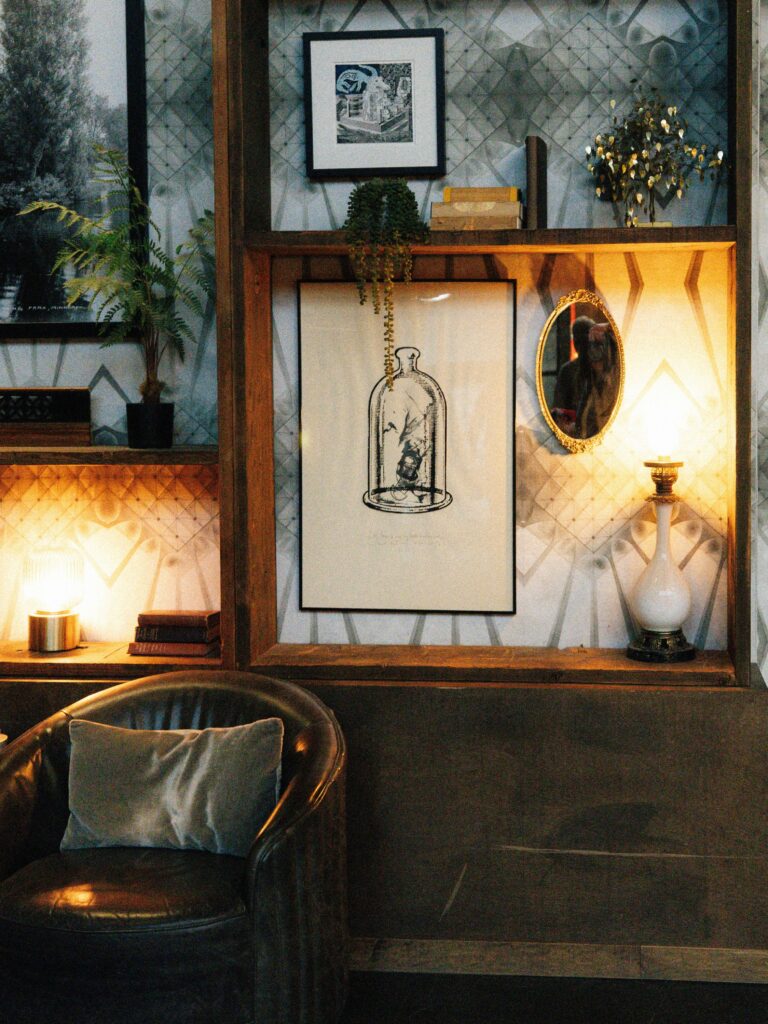
Regular maintenance ensures that picture lights continue to enhance your artwork. Dust fixtures gently and replace bulbs promptly when they dim. For LED lights, choose high-quality bulbs with a long lifespan to reduce maintenance.
Occasionally assess the positioning and adjust if furniture or other elements change in the room. This keeps your gallery display looking intentional and fresh.
Creating a Gallery Wall
Picture lights are particularly effective on gallery walls where multiple pieces are displayed together. In this setting, balance is key. Install lights consistently above each piece and ensure even spacing between artworks. Varying the height of individual pieces can create a dynamic layout while keeping the lighting uniform.
When combining different sizes and frames, using picture lights of the same style unifies the display. This creates a curated, gallery-quality aesthetic that feels cohesive even with a diverse collection.
Adding Atmosphere
Beyond highlighting the art, picture lights contribute to the room’s atmosphere. Soft accent lighting draws attention to artworks while creating a warm, inviting ambience. Use these lights in conjunction with wall sconces or table lamps to craft an intimate, elegant environment.
For evening entertaining, dimmed picture lights can make a room feel like a private gallery, with artworks glowing softly and inviting conversation.
Final Thoughts
Picture lights are a simple but transformative tool in interior design. They elevate artwork, create focus and bring sophistication to any home. By choosing the right style, positioning carefully and layering with other lighting, you can achieve a private gallery feel that enhances both the art and the overall atmosphere of your space.
When incorporated thoughtfully, picture lights combine function with elegance, making every piece of art a statement and every room feel curated.